

A part-number system should help a distributor identify the component, compatible product and current revision without implying fit that has not been verified. Keep the code structure stable, define each field in a controlled guide and maintain a separate cross-reference for replacements and superseded parts.
Conclusiones clave
- Define which product and component details a part number represents.
- Use a controlled format and avoid reusing an identifier after a product change.
- Track finish, revision and compatibility in a parts record where the code alone cannot describe them.
- Map superseded part numbers to approved replacements and note any restrictions.
- Share the current cross-reference with sales, warehouse and service teams.
Choose the Information the Code Must Carry
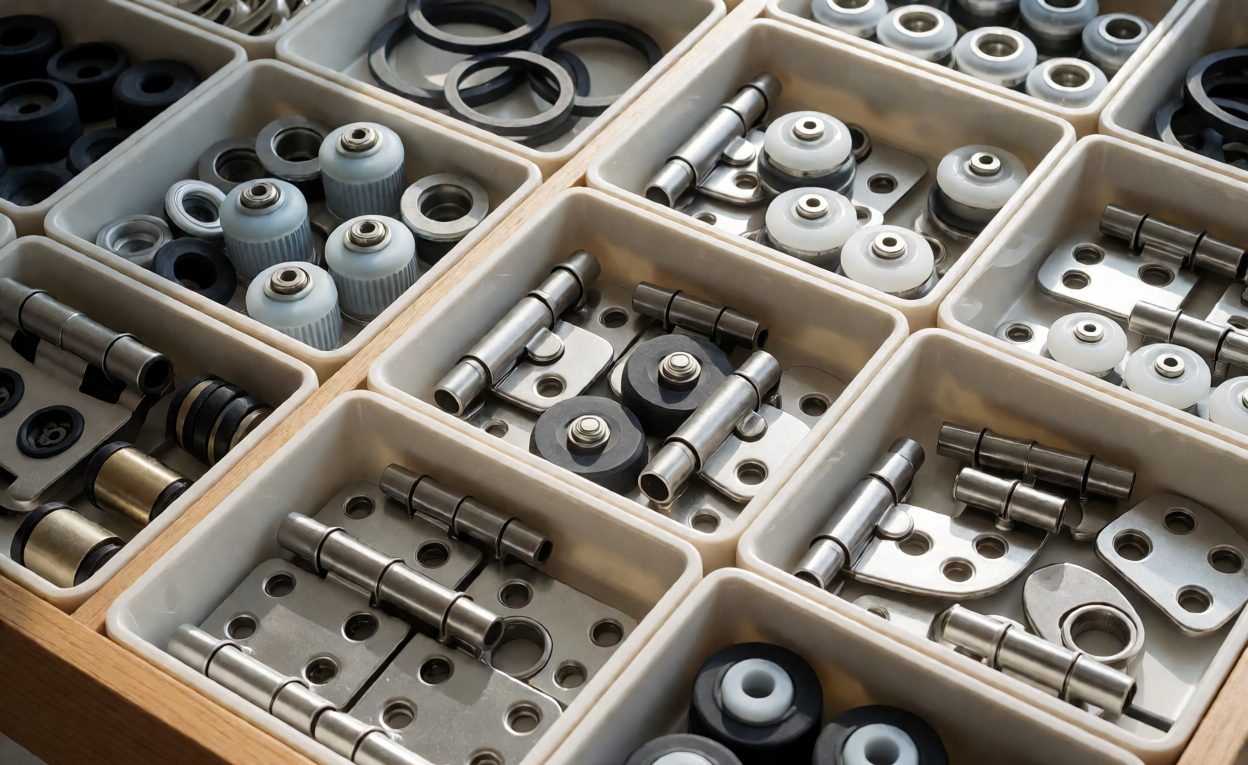
Start with the searches a distributor or service team needs to perform. Useful fields may include product family, component type, model, size or finish when that attribute changes the ordered part. Do not encode every technical detail into the number if it makes the code difficult to maintain; store the full specification in the product record.
Use a separate field for revision or version when a design or fit change affects interchangeability. A finish name or component description should not imply a material, dimension or compatibility that the approved product record does not support.
Document the Numbering Rules
| Rule | What to define |
|---|---|
| Field meaning | Which part of the identifier represents family, component or variant |
| Allowed values | Approved codes and who can create a new value |
| Revision handling | When a new identifier or revision is required |
| Reuse policy | Whether retired numbers remain blocked from reuse |
| Cross-reference | How old, replacement and compatible part numbers are recorded |
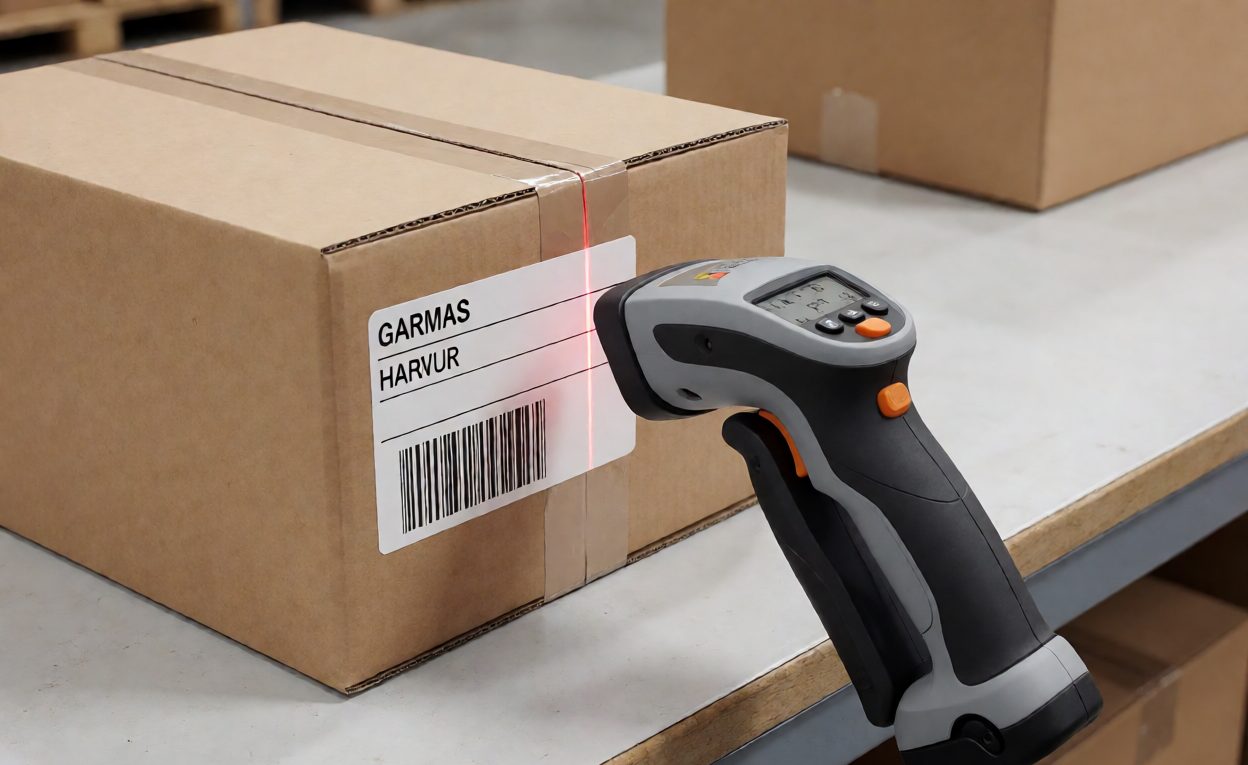
Keep the format consistent across product records, labels, purchase orders and service documents. If a supplier uses a different factory code, store both identifiers with a clear mapping instead of treating them as interchangeable.
Maintain a Replacement Cross-Reference
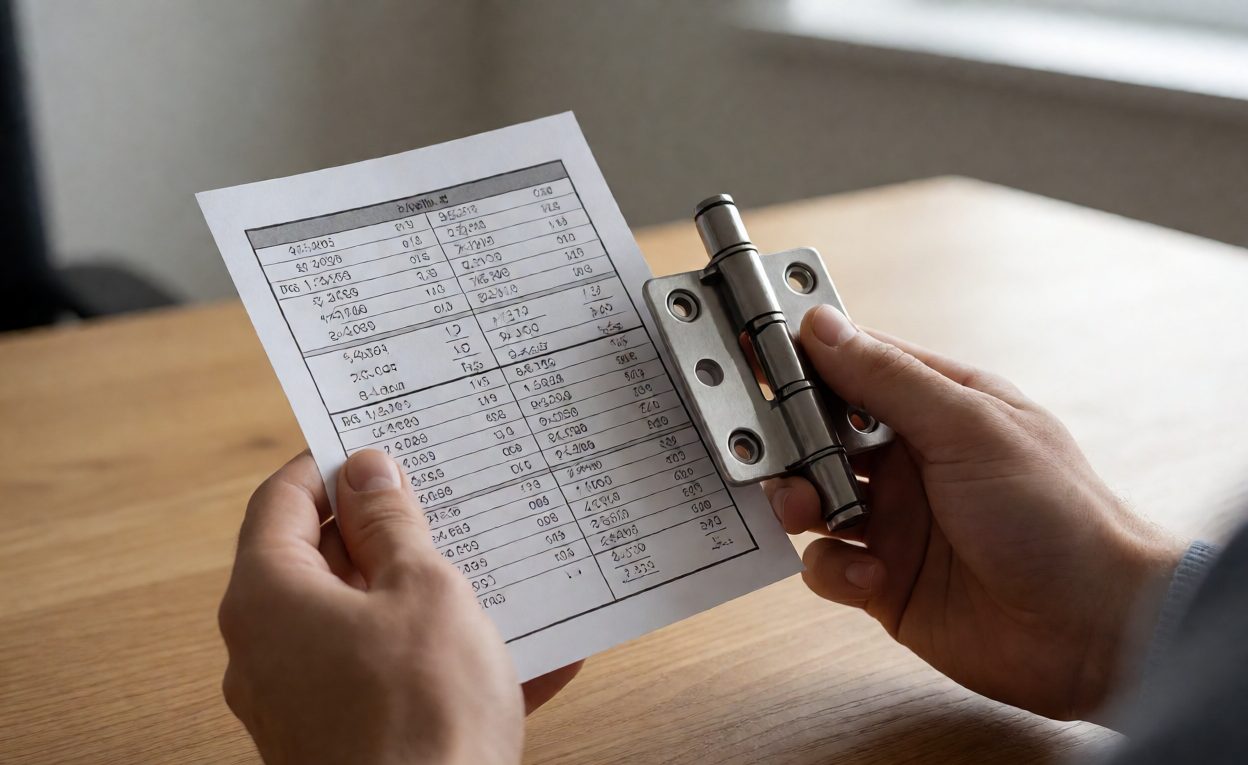
For every superseded part, record the former number, replacement number, affected models, change date, fit conditions and any installation differences. If the replacement is not approved for every earlier model, show the limit clearly. Link the cross-reference to drawings or approvals that support the compatibility note.
Review part-number changes before new labels, catalogue files or ordering systems are released. Provide a change notice to distributors and service teams so that an old number can be searched without pointing customers to an unverified substitute. For product requirements to include when requesting supplier quotes, see our wholesale shower hardware RFQ checklist.
Preguntas frecuentes
¿Qué debe identificar el número de pieza de hardware para ducha?
Debería seguir los campos definidos por la empresa, como familia de producto, componente o variante. Mantenga las dimensiones completas y los detalles de compatibilidad en el registro del producto cuando no quepan de forma segura en el código.
Should a replacement part keep the old number?
Only if the change does not alter the identifier policy or approved fit. Record a new number or revision when the product changes and maintain a cross-reference to the earlier part.
How should a superseded part be cross-referenced?
List the old and replacement numbers, affected models, change date, fit limits and any installation differences, with links to the supporting product record.
Can a part number alone confirm compatibility?
Not unless the numbering system and compatibility data explicitly establish that relationship. Check the current drawing or approved parts record before promising fit.