

Plating and physical vapour deposition (PVD) are process labels, not complete finish specifications. Their cost and service performance depend on the product’s substrate, preparation, coating stack, colour, geometry, batch, test evidence and acceptance criteria. Compare the same shower hardware configuration and use buyer-specific cost and warranty data before choosing a finish.
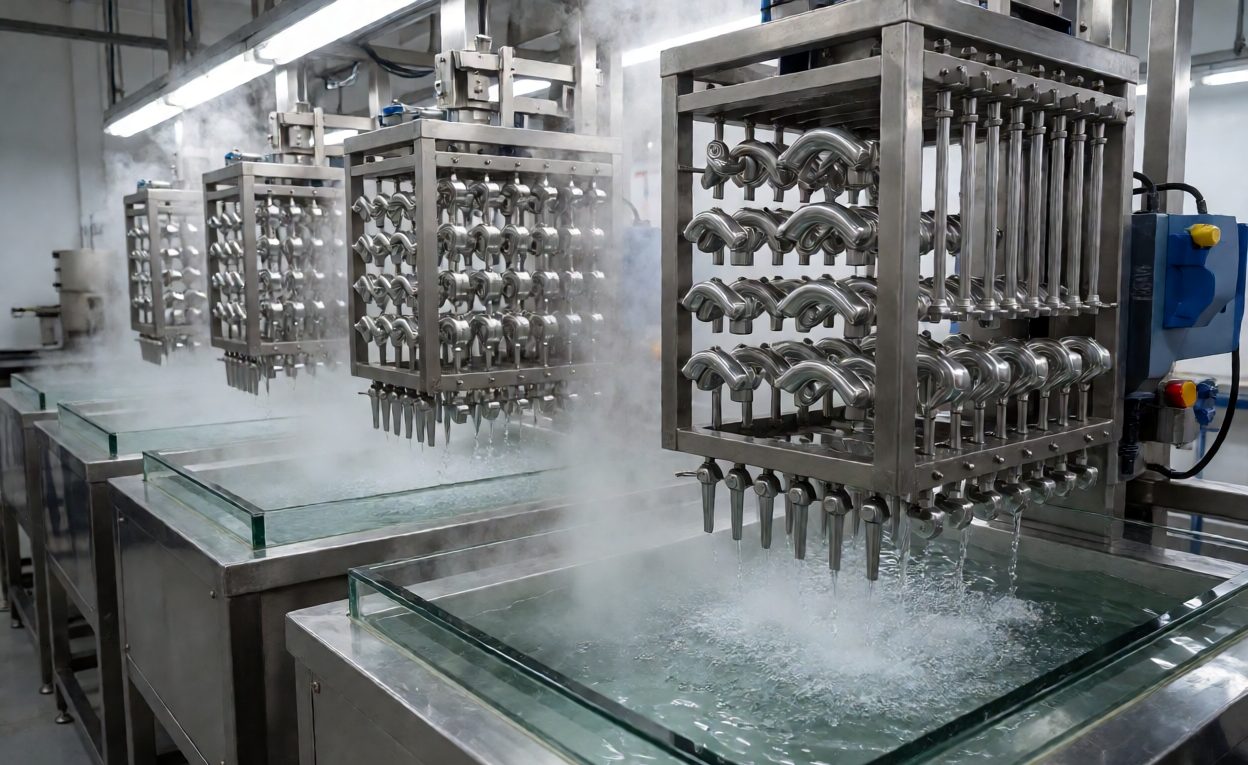
Request the actual finish system
For each quoted SKU, ask the supplier to identify the base material, surface preparation, every coating layer where applicable, finish code and colour reference. Record which components receive the finish and whether concealed edges, cutouts and interfaces are included. “Chrome,” “brushed gold,” “PVD” or “plated” alone may not tell the buyer what process or layers were quoted.
Ask for the method used to control batch-to-batch appearance and the approved reference against which production will be checked. If the product combines materials or coating systems, request confirmation that the whole assembly and the relevant interfaces are covered by the specification.
Compare quotes on the same scope
Request a side-by-side quote for the same product, quantity, substrate, finish colour, surface preparation, components, packaging, inspection and delivery assumptions. Ask the finisher or supplier to separate one-time setup, minimum batch, unit charge, colour-change charges, sample costs, inspection and any special packaging. A percentage premium for PVD or a fixed plating-versus-PVD price ratio is not reliable without an exact part and quote.
Include more than the finish unit price in the buyer’s model: setup and sampling, accepted quantity, freight and handling, inspection, inventory, replacement logistics, and the buyer’s own warranty or return history. If those historical rates are not available, show a range and label it as a scenario, not a prediction.
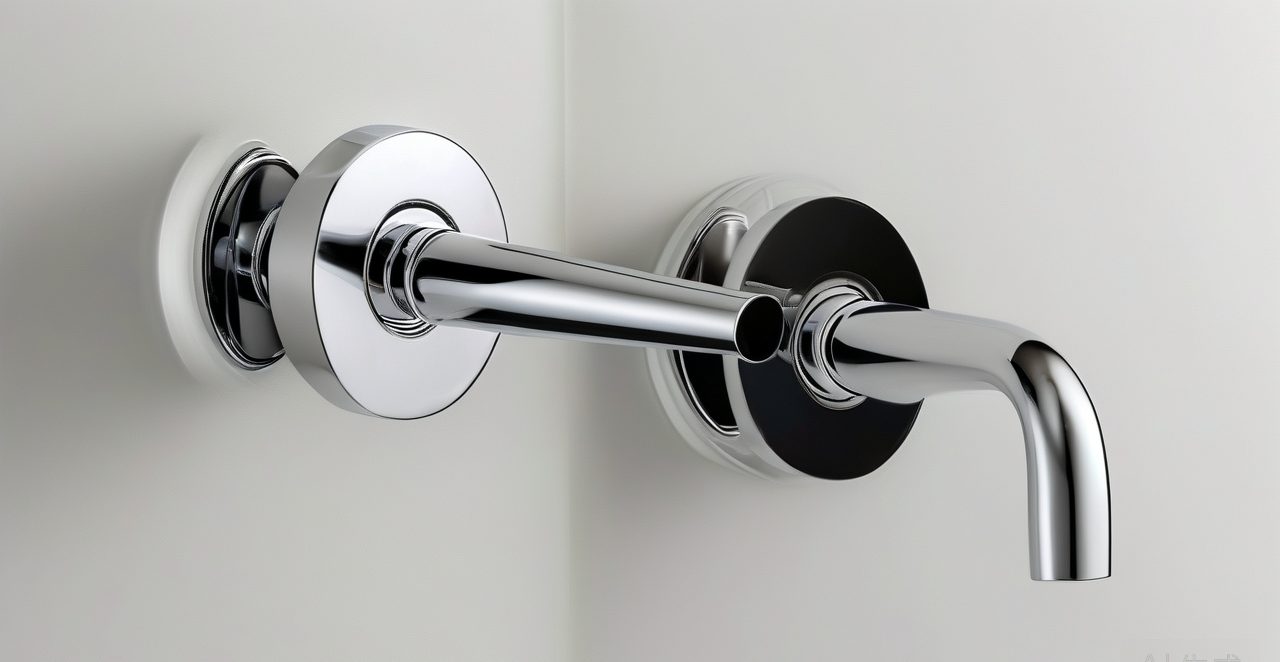
Read test evidence within its scope
Ask for reports tied to the exact model or representative configuration, substrate, pretreatment, coating stack, colour, test method, acceptance criteria, sample size, laboratory and date. Confirm whether the report evaluates the whole part or a coupon, which surfaces were exposed, and what constitutes a failure. A result from one base material or colour should not automatically be applied to a different product configuration.
Salt-fog exposure is a controlled test, not a direct conversion to years of service in a bathroom. ASTM B117-26 describes an apparatus and conditions for operating a salt-spray (fog) test; it does not by itself define the tested product’s service life. See also the site’s salt-spray report guide y finish and corrosion specification guide.
Model the choice using your project data
Compare the options using the buyer’s actual selling price, target quantity, warranty terms, return history, customer segment, cleaning instructions and maintenance conditions. Use a break-even worksheet only when its inputs are explicit:
- Quoted unit and setup costs for the same configuration and order quantity.
- Expected accepted units and the additional inspection or sampling cost.
- Buyer-recorded claims, replacements, transport and handling cost by finish or product, where available.
- Warranty terms, exclusions and any supplier remedy agreed in writing.
- Assumptions for future quantity, selling price and currency, each varied in a sensitivity case.
If the buyer does not have comparable service data, do not turn an accelerated test duration into a life estimate. Trial the approved configuration in the intended use conditions and track results, while following product instructions and the agreed evaluation protocol.
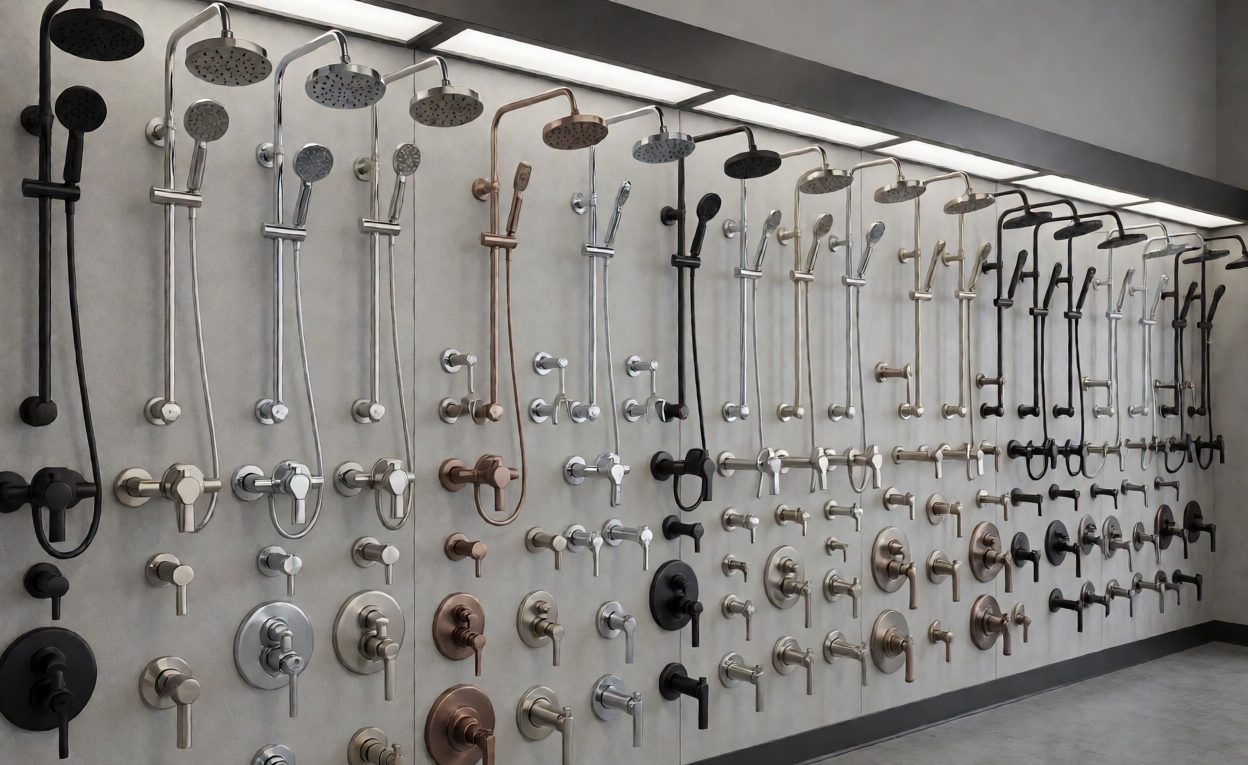
Put the finish definition in the approval record
Attach the finish code, substrate, preparation and coating description available from the supplier, physical reference sample, acceptable appearance range, test reports and drawing revision to the purchase order. Define who approves a substitute or process change, what repeat sample or test is required, and how production lots are identified. The proceso de aprobación de la muestra gives the finish a controlled reference.
Preguntas frecuentes
¿Cuánto más cuesta el PVD que el niquelado?
There is no reliable universal price ratio. Cost depends on the exact part, substrate, colour, preparation, coating stack, order quantity, batch utilization and supplier quote. Compare itemized quotations for the same scope.
¿Es el PVD siempre más duradero que el chapado?
No finish label alone establishes performance. Request model-specific evidence for the actual substrate, preparation, coating, colour and test method, and review the acceptance criteria and limitations.
¿Cuándo es el chapado la mejor opción?
That depends on the approved appearance, product specification, quote, order size, test evidence and buyer’s service requirements. Evaluate the configured product and total order cost rather than choosing by process name alone.
Can salt-spray hours predict years of shower use?
No. A salt-spray result describes performance under a specified laboratory method and conditions. It does not provide a direct conversion to service years in a different environment.
What should a finish specification include?
Identify the exact SKU, base material, preparation, finish or coating stack available from the supplier, colour reference, covered surfaces, inspection criteria, applicable test report and process-change approval rules.