

A package drop test evaluates a defined product-and-packaging configuration under stated conditions. It does not certify every carton, carrier route or handling event. For shower hardware, agree the test method and acceptance criteria with the buyer and supplier before testing the actual packed product.
Ключевые выводы
- Test the complete pack that will ship, including wrapping, dividers, inserts and closure.
- Choose a test method that matches the intended distribution route and contract.
- Set the conditioning, sequence and acceptance criteria before the test begins.
- Record the package configuration, sample identity, test method, deviations and results.
- A drop test does not replace checks for stacking, vibration, moisture or other distribution stresses.
Define the Test Scope
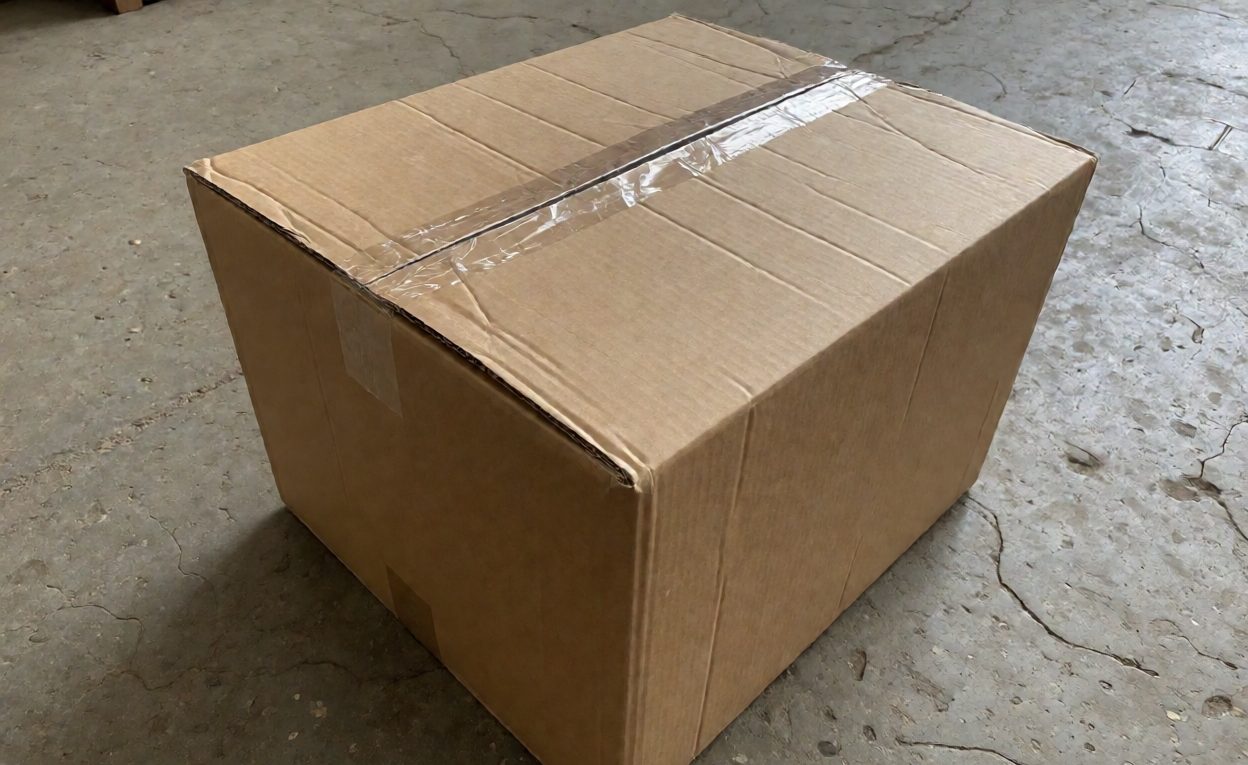
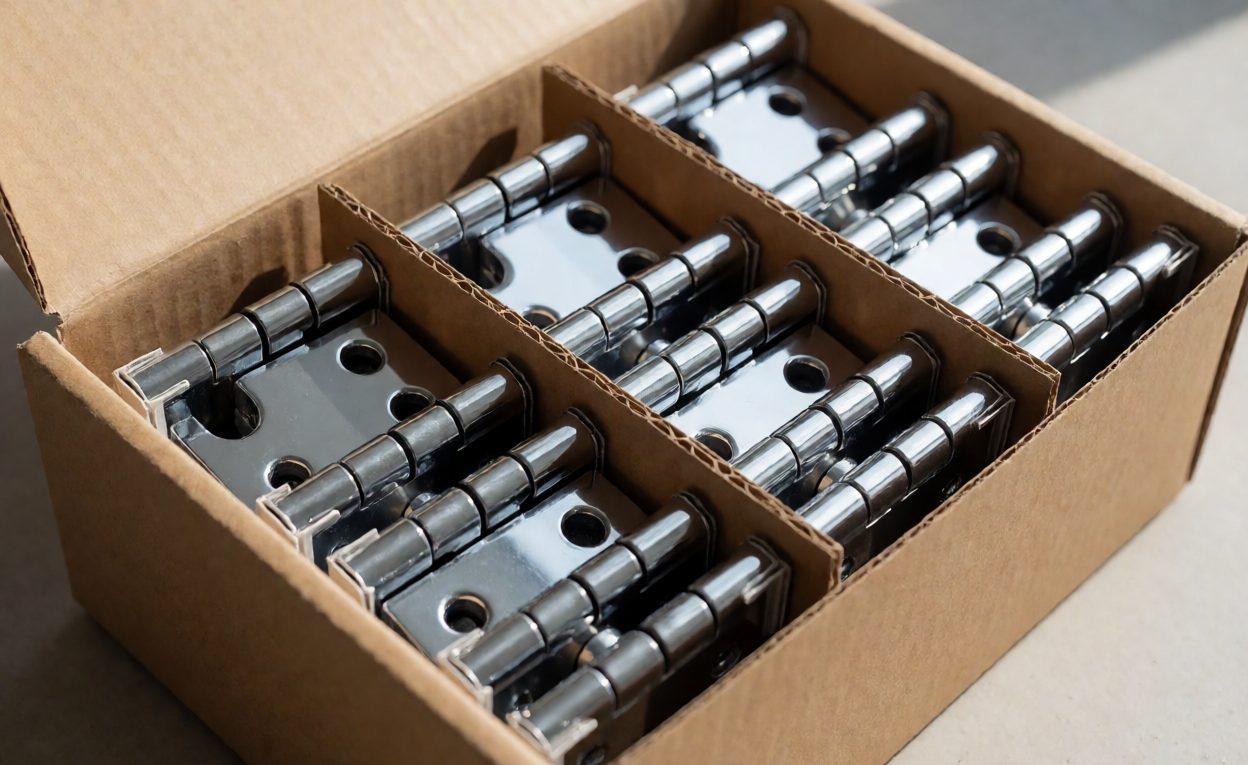
Start with the shipping unit: individual retail carton, master carton or palletized load. Record what is inside, how parts are wrapped and separated, the package dimensions and gross mass, the closure method and the expected distribution route. A different carton, insert, fill material or product arrangement is a different configuration and may produce a different result.
Choose the method that matches the parcel, warehouse or freight conditions being evaluated. If a customer, carrier or market specification names a particular standard, use its current procedure and scope. Do not copy a generic drop height, orientation or number of drops from another package.
Set Acceptance Criteria Before Testing
Agree what counts as acceptable before the test. The criteria may distinguish package damage from damage to the product, its finish, threads, sealing surfaces or function. State whether the product must remain saleable, whether the package must remain suitable for further handling, and how observations will be documented. Avoid changing the pass criteria after seeing the result.
What the Test Report Should Record
- Product model, finish, components and sample or lot identification.
- Packaging bill of materials and the exact pack configuration tested.
- Package dimensions and gross mass used for the selected method.
- Test method and edition, conditioning, sequence and equipment.
- Any deviations from the method and the reason for them.
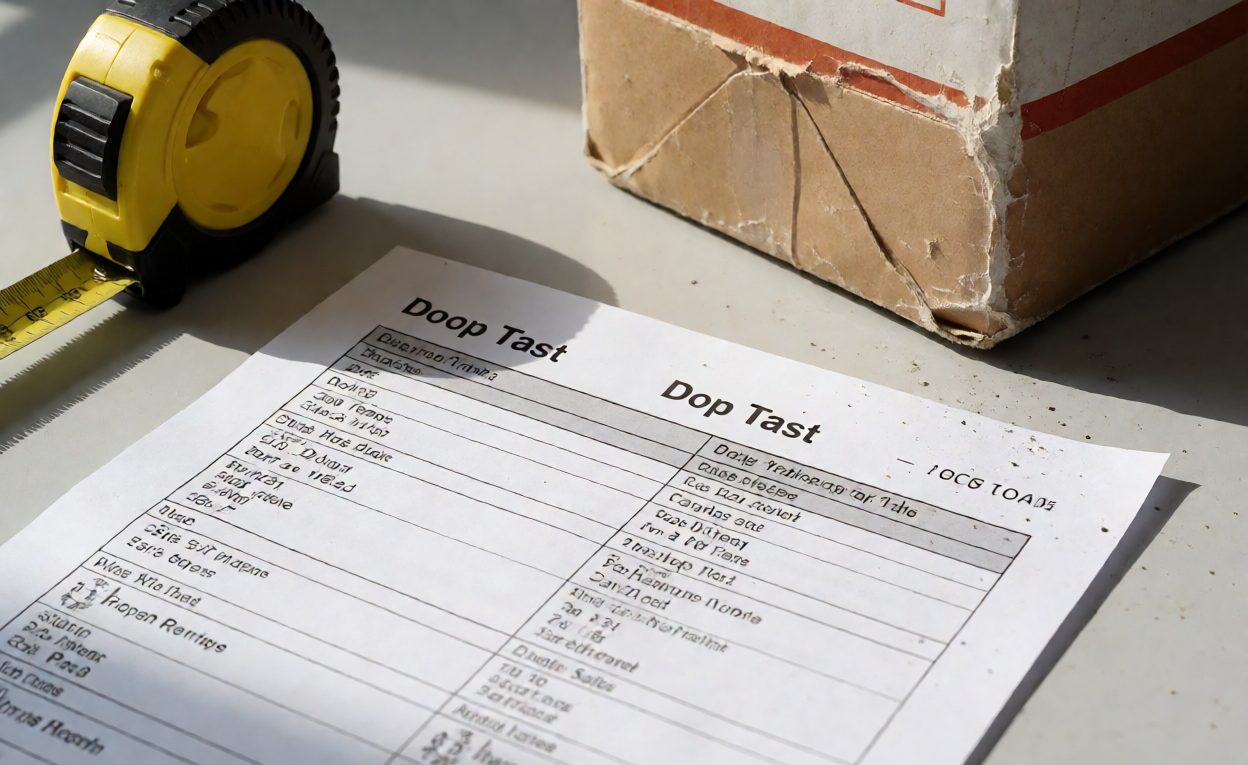
- Results against the agreed acceptance criteria, including photographs of damage.
- Corrective actions and confirmation that a revised pack was retested where needed.
Use Other Tests for Other Risks
A drop sequence evaluates impact events included in that method. It does not by itself establish resistance to sustained stacking pressure, vibration, humidity, water exposure or every handling condition. Match additional tests to the distribution risks that matter for the route. For palletized or containerized shipments, review the loading pattern and stacking conditions as part of the packaging plan.
For carton quantity and loading assumptions, see our container loading guide.
Часто задаваемые вопросы
Есть ли единая последовательность испытаний на падение для всех картонных коробок с душевым оборудованием?
Нет. Метод и последовательность зависят от упаковки, маршрута распределения и применимой спецификации клиента или испытаний. Определите метод и выпуск до проведения испытаний.
Should the test use a generic carton?
No. Test the actual pack configuration intended for shipment, including the product, inserts, wrapping, dividers and closure.
Does passing a drop test prove the package is suitable for every route?
No. It supports only the tested configuration and conditions. Other routes or risks may require different or additional evaluation.
What should a packaging test report include?
Record the product and package tested, method and edition, conditions, sequence, deviations, acceptance criteria, observations and corrective actions.