

A mixed container plan should start with the shipment’s required SKUs, then check packed dimensions, weight, load distribution, cargo compatibility and route limits. Filling unused space is secondary to loading safely, protecting the goods and shipping the quantities the buyer actually needs.
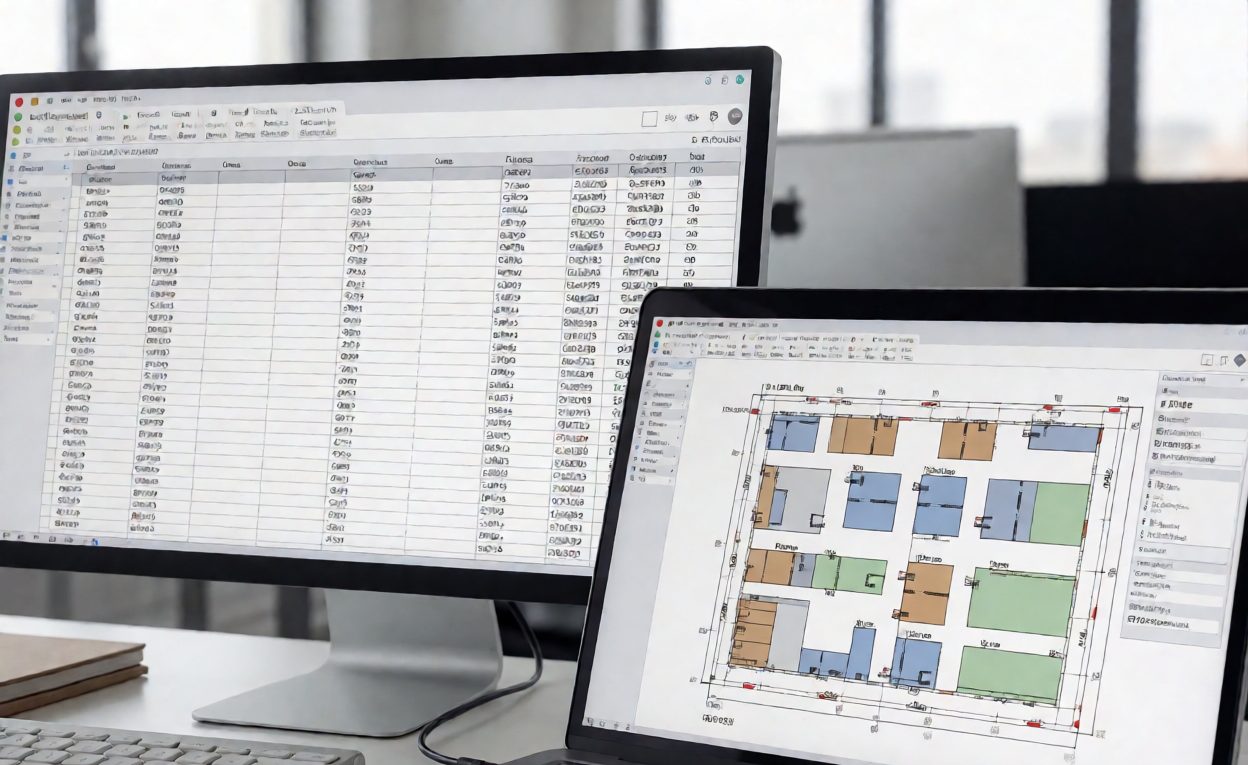
Collect reliable carton and shipment data
For each SKU and packaging revision, request carton length, width and height; gross and net weight; units per carton; carton count; pallet dimensions and weight if used; stacking limits; and any handling or moisture-protection instructions. Confirm whether the figures are measured values or estimates and ask the packer to update them if the product or packaging changes.
Build the plan using the container type and the actual route. Confirm the permitted payload and gross mass on the equipment documentation, carrier instructions and applicable road, rail and port requirements. The usable limit can depend on the container, chassis, route, axle distribution and transport mode; do not rely on a generic container-weight figure.
Allocate required quantities before optimizing the load
List the buyer’s required quantity by SKU, finish and revision. Check whether the carton mix and stacking arrangement fit within the container’s internal dimensions while keeping weight distribution and access in mind. Do not add slow-moving items only to fill space unless the buyer has approved the inventory and cash commitment.
Have the responsible packer or loading planner document the proposed floor-loaded or palletized arrangement, separation between SKUs, carton sequence, restraint or blocking method and any handling constraints. A loading drawing or plan should identify who prepared it and which carton data it uses.
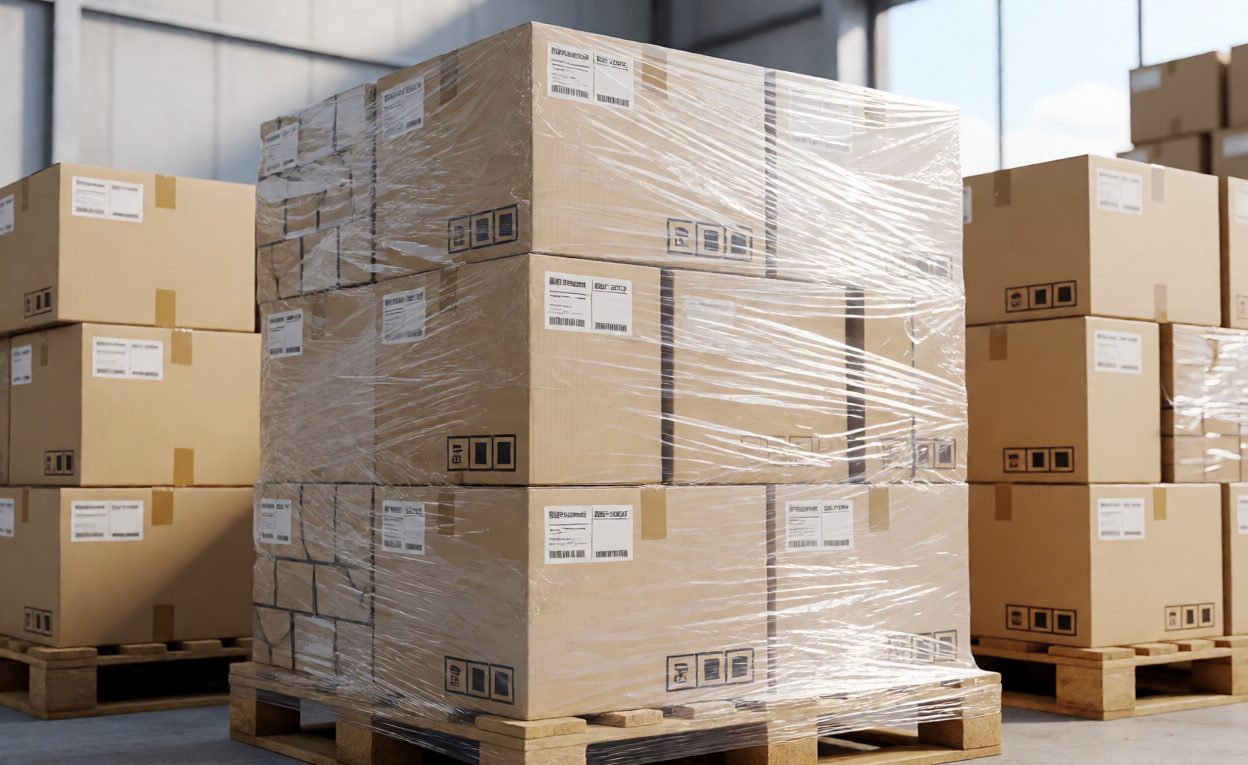
Plan for safe packing and intermodal limits
The IMO/ILO/UNECE CTU Code provides non-mandatory guidance for safe packing and securing cargo transport units across the intermodal chain; it does not replace applicable national or mode-specific regulations. Check the official UNECE CTU Code page for the published guidance and revision status, and work with the packer, carrier and forwarder for the shipment’s actual conditions. Confirm the container is suitable for the load and that cargo is secured against expected movement, not simply stacked to use the last available space.
For sea transport, confirm with the shipper and carrier who will provide the Verified Gross Mass and how the weighing and declaration will be completed before loading on board. The IMO container-safety guidance explains the SOLAS verified gross mass requirement.
Keep carton labels and documents consistent
Use a packing list that reconciles to the final loaded cartons. Identify the purchase order, SKU, finish or variant, units per carton, carton sequence and any special handling instructions agreed for the route. Decide in advance whether cartons may be mixed and how each component will be identified after opening. Do not treat photographs as proof of quantity, weight or safe restraint; pair them with carton counts, weight records, loading notes and seal details.

Check the final plan before booking
Before the container is closed and booked, reconcile the approved SKU quantities with the carton list, verify the final weight and dimensions, check permitted gross mass and route restrictions with the responsible parties, confirm the load plan and restraints, and record the container and seal identifiers. Retain loading records and promptly record any difference from the approved plan.
Use o checklist de embalagem for final carton data and the lead-time planning guide to keep packing and carrier milestones visible.
Perguntas Frequentes
Quais dados são necessários para um plano de contêiner misto?
Fornecer o tipo de container real, as dimensões e os pesos das caixas por SKU, unidades por caixa, quantidade necessária, detalhes das paletes, limites de empilhamento e manuseio, compatibilidade da carga e rota pretendida.
Qual limite de peso se aplica a uma remessa?
Verifique a placa do equipamento e os requisitos do transportador, bem como os pesos bruto e por eixo permitidos para cada modo de transporte e rota. Um único número genérico de carga pode não cobrir as restrições do contêiner, chassi, porto, rodovia ou ferrovia.
Devo adicionar estoque extra para preencher o espaço vazio do container?
Somente se o comprador tiver aprovado as quantidades e o custo do estoque. Otimizar o plano de carregamento depois que a mistura de SKUs necessária for definida, e não deixar que a utilização do frete determine uma compra não planejada.
As fotografias de carregamento substituem um registro de embalagem?
Não. Fotografias podem complementar as provas, mas o registro de envio também deve incluir a lista final das caixas, pesos, identificadores do contêiner e do lacre, o plano de carregamento aprovado e quaisquer desvios.
Who should prepare the loading plan?
Assign a competent packer or loading planner with the correct carton and route information, and confirm responsibilities among the supplier, shipper, forwarder and carrier before booking.