

A quoted capacity figure is useful only when the supplier defines what it covers. For an import order, map the required production steps, subcontracted processes, product mix and time period, then compare the estimate with the supplier’s documented schedule and assumptions.
Ключевые выводы
- Ask which production steps and outside suppliers are included in a capacity statement.
- Define the capacity unit, time period, product mix and assumptions behind the quoted figure.
- Check whether lead time includes materials, finishing, inspection, packing and shipment release.
- Use order-specific evidence such as a process map, current schedule or documented capacity review.
- Plan releases and contingencies around your own forecast; do not infer seasonal capacity from industry-wide assumptions.
Map the Full Production Route
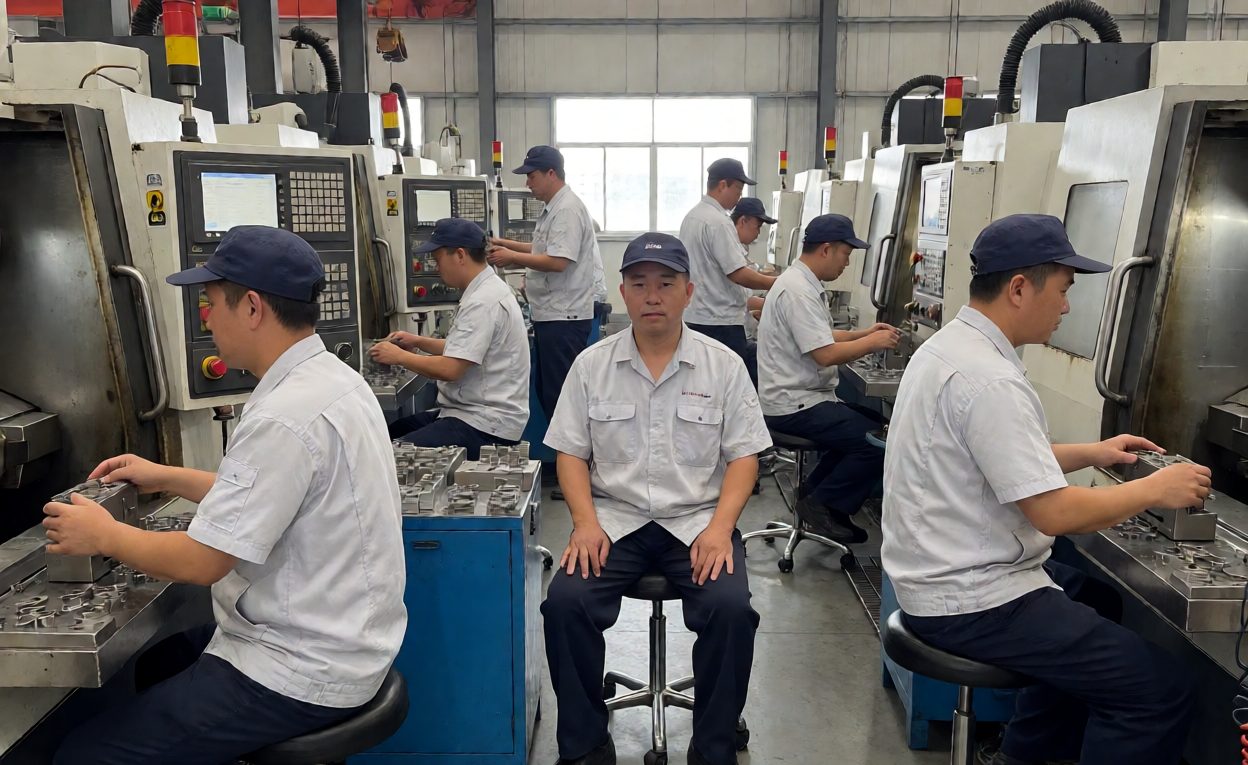
List the processes required for the order, such as machining or forming, surface finishing, assembly, inspection and packing. Identify which steps are performed in-house and which depend on a subcontractor. Ask who owns the schedule for each step and what information can support the estimate.
A bottleneck may be a machine, a finish process, a purchased component, a quality hold or a packaging operation. Do not assume that one process constrains every product in the range. Ask how the supplier identifies the constraint for the actual models and finishes in your order.
Define the Capacity Statement
| Question | What to record |
|---|---|
| What is counted? | Finished units, batches, cartons or another defined output |
| Which period? | The dates or recurring period covered by the estimate |
| Which product mix? | Models, finishes, variants and order configuration |
| What assumptions apply? | Material availability, approved samples, staffing and subcontractor slots |
| What evidence supports it? | Current schedule, process map, recent output record or supplier review |

Keep quoted capacity separate from capacity reserved for your purchase order. Ask how changes in finish, packaging, component source or inspection requirements affect the schedule and who must approve a revised plan.
Plan Around Your Peak Season
Build the forecast from your sales history, project calendar, promotions and customer commitments. Share the forecast horizon and expected release dates with the supplier, then confirm what is a planning forecast and what becomes a binding order. Demand patterns differ by customer, market and project; there is no universal calendar that determines every hardware supplier’s peak.
For a large or phased order, agree the release schedule, material reservation, order cut-off, change process and escalation contact in writing. Ask the supplier to identify dependencies that could move the dates and when the buyer will receive an update.
Review Evidence and Keep the Plan Current
Revisit the capacity plan when product mix, quantity or process route changes. Record the date of the supplier’s confirmation and the assumptions it covers. If a key process is subcontracted, confirm the responsible party, communication path and available contingency under the supplier agreement.
For a structured list of supplier questions and product requirements, see our wholesale shower hardware RFQ checklist.
Часто задаваемые вопросы
How can an importer verify a shower hardware supplier’s capacity?
Map the required processes, define the product mix and time period in the capacity statement, and review current schedule or output evidence that supports the order estimate.
Does a factory capacity figure include subcontractors?
It may or may not. Ask which outside processes and suppliers are included, who schedules them and how their lead times are reflected.
Should a forecast be treated as reserved production capacity?
No. Distinguish a planning forecast from a confirmed purchase order or written capacity reservation, including its terms and release dates.
How often should a capacity plan be reviewed?
Review it when the order mix, quantity, process route, timing or supplier assumptions change, and record the confirmation date.