

Shower glass brackets connect a fixed panel to a wall, another glass panel, or a support member. The correct choice depends on the exact enclosure geometry, bracket model, glass preparation, mounting surface, and manufacturer’s installation instructions. There is no generic load figure or anchor recipe that applies to every bracket and wall assembly.
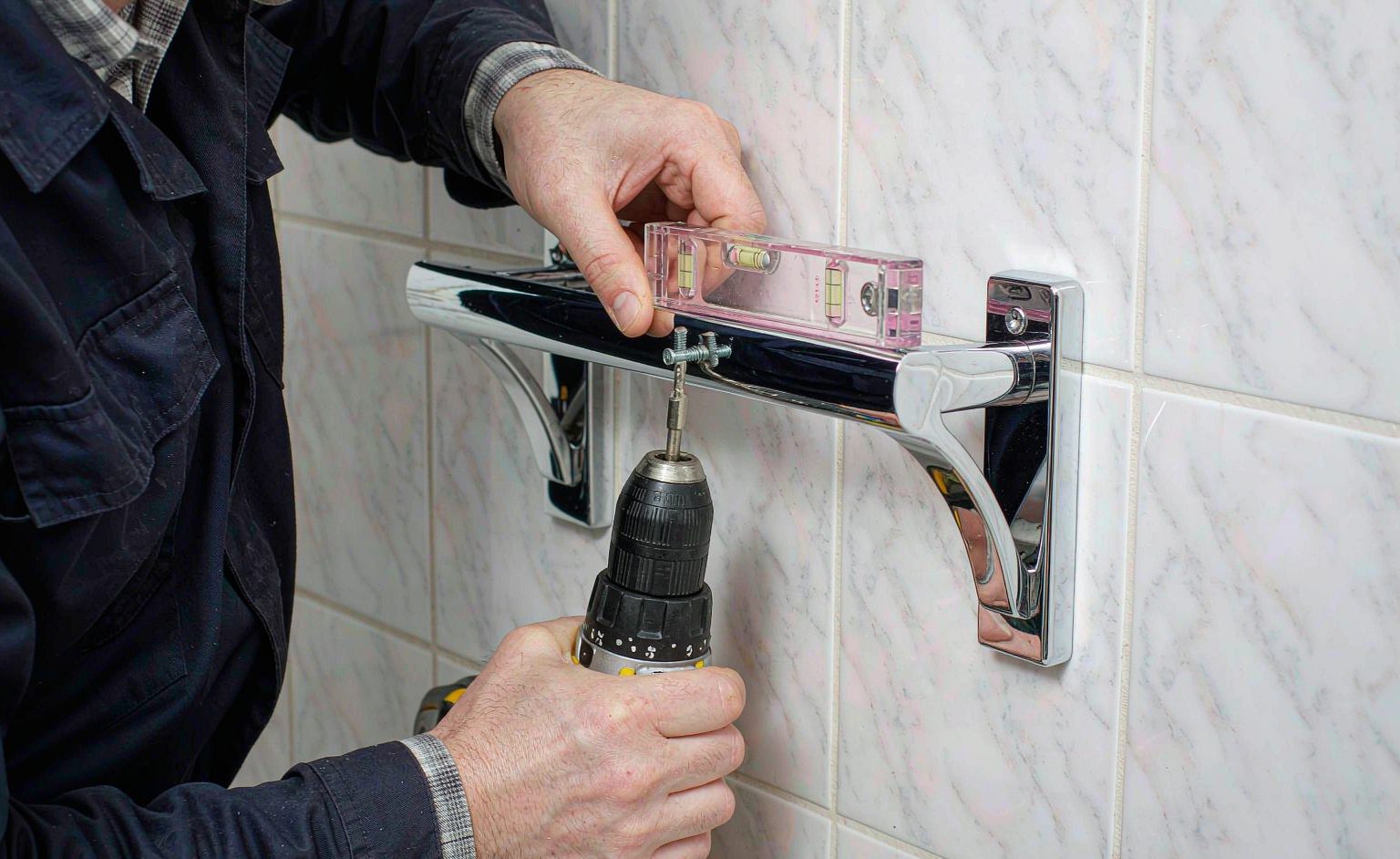
Identify the bracket connection
- Wall-to-glass bracket or clamp: connects a glass panel to a wall or other specified support. Confirm the bracket’s intended wall condition and how the fixing transfers into that structure.
- Glass-to-glass bracket: connects two panels. Confirm the angle, clamp geometry, glass edge and hole preparation, and any adjustment range in the model drawing.
- Support-bar bracket: connects a support or stabilizer bar to glass or a wall. Select the bracket as part of the bar assembly rather than as an isolated fitting.
- Channel or profile: holds a glass edge over a defined length. Check the product’s glazing method, compatible glass, seal or insert, and end conditions.
Check the exact glass and wall interface
Before ordering, provide the enclosure drawing, glass type and thickness, panel dimensions, edge locations and cut-outs, bracket positions, joint angle, door movement nearby, and the wall or support construction. Compare these details with the exact product drawing and current installation instructions. A bracket that looks similar may have a different glass interface or fixing arrangement.
Ask what load or performance information the supplier publishes and what assembly that information covers. Check whether it applies to the bracket alone, a tested glass-and-bracket assembly, or an installed system with a defined support and substrate. Do not assume that a metal-part rating includes the wall, fastener, glass, joint, or field installation.
Assess the mounting surface before drilling
Identify the actual substrate and the approved fixing method before any holes are made. Finishes such as tile or wallboard do not by themselves establish the strength of the structure behind them. Follow the bracket manufacturer’s fastener specification and the project designer’s requirements for the known substrate; do not substitute a generic wall anchor or installation value.
Glass dimensions, cut-outs, holes, and edge work must be coordinated with the hardware before fabrication. Heat-treated glass cannot be cut or drilled after heat treatment. The National Glass Association glazing manual and the system-specific documents should be reviewed by the glass professional and responsible supplier.
Use a model-specific installation review
Before installation, check that the delivered bracket matches the approved model, drawing, finish, glass preparation, and fasteners. Confirm the support condition, panel handling plan, temporary support, alignment, seals or inserts, and final inspection steps against the manufacturer’s instructions. Where a system-specific detail is absent, obtain it from the manufacturer or responsible glass professional instead of filling the gap with a universal rule.
For choosing between bracket families, see the shower glass bracket selection guide. Related support-bar specification guidance can help coordinate brackets that belong to a bar assembly.
Common questions
¿Cuál es la diferencia entre los soportes de pared a vidrio y los soportes de vidrio a vidrio?
Un soporte de pared a vidrio une un panel de vidrio con una pared o soporte específico. Un soporte de vidrio a vidrio une paneles entre sí. Los dos tipos tienen interfaces y detalles de instalación diferentes, por lo que use el dibujo para el modelo exacto y la conexión.
¿Puedo usar cualquier anclaje de pared para un soporte de vidrio de ducha?
No. El anclaje depende de las instrucciones de la ménsula, el sustrato conocido, el diseño del proyecto y el camino de carga requerido. Identifique la construcción y utilice el método de anclaje especificado antes de taladrar o instalar el vidrio.
¿Describe la clasificación de carga de un soporte la instalación terminada?
Not unless the supplier states that the published information covers the complete assembly and its installation conditions. Confirm the scope, substrate, glass, fasteners, and load direction associated with the data.
Can an adjustable bracket correct any wall or glass misalignment?
No. Adjustment is limited to the range and installation conditions documented for the specific model. It does not replace checking the enclosure geometry, substrate, or glass preparation.