

A salt-spray result is a laboratory observation under a stated test setup. It is useful only when the product, finish, specimen, method and evaluation criteria are clear. Treat the reported hours as evidence about that documented test—not a direct estimate of how many years shower hardware will last.
Key Takeaways
- ASTM B117 describes operation of a salt-spray apparatus; it does not set one specimen or duration for every product.
- Compare reports only after checking the test method, specimen, preparation, endpoint and evaluation criteria.
- A larger hour value alone does not prove longer service life or suitability for a project environment.
- Keep the test report tied to the exact material, finish, model and production scope it covers.
- Use project exposure, care requirements and other evidence alongside a salt-spray result.
What ASTM B117 Covers
ASTM B117 is a practice for creating and maintaining a salt-spray test environment. ASTM’s published scope says it does not prescribe the specimen or exposure period for a particular product, or how results should be interpreted. It also notes that stand-alone salt-spray results have seldom correlated with performance in natural environments and that results depend on the specimen, evaluation criteria and controlled test variables.
For that reason, a report that says only “passed 500 hours” leaves important questions unanswered. Ask which test practice or method was used, how the specimen was prepared, what finish or assembly was tested, how many specimens were included, how exposure was recorded and what condition counted as a failure.
See the official ASTM B117 standard page for the scope and significance statements. Our material comparison guide explains why material and finish information should be reviewed separately from a test-hour claim.
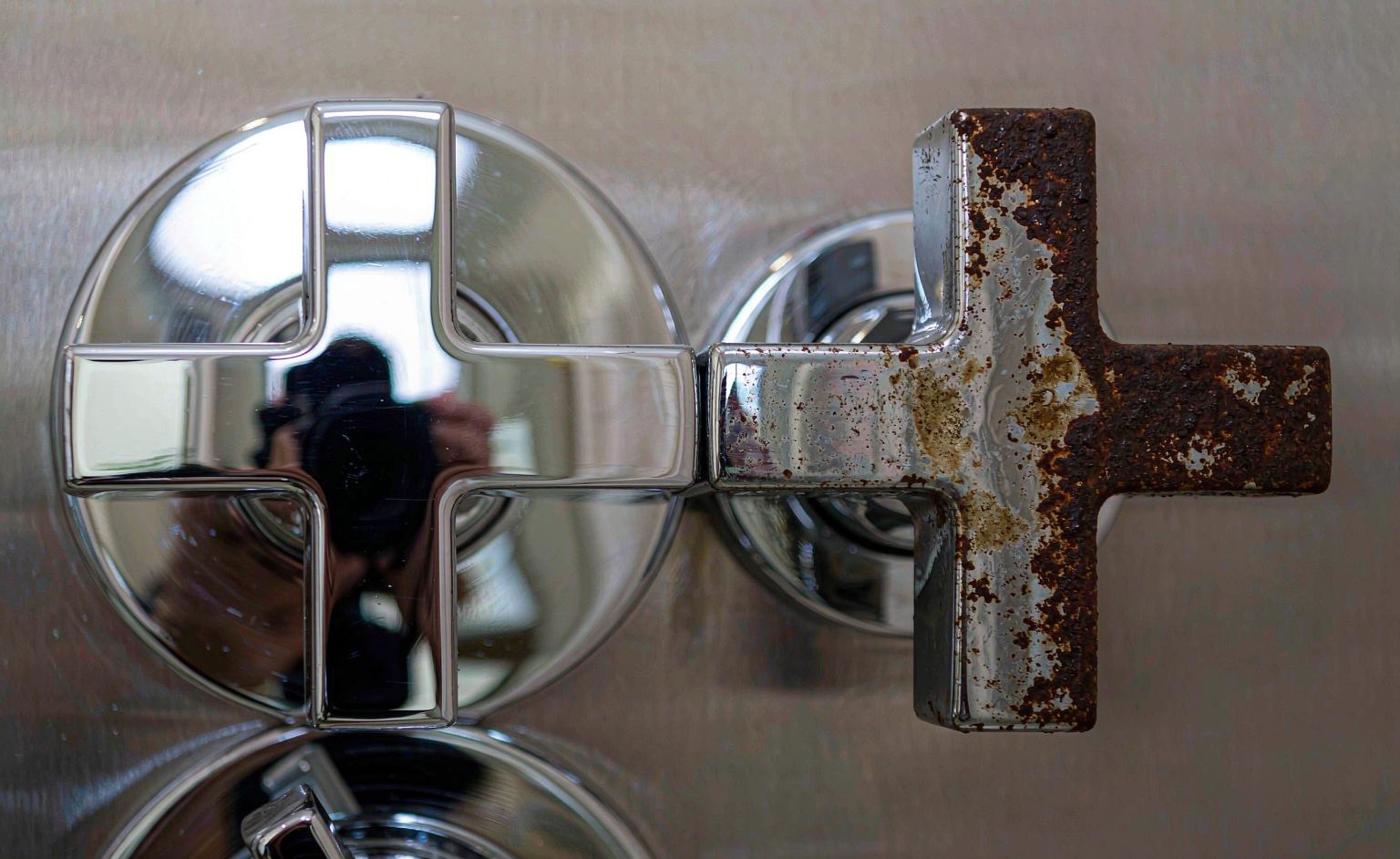
How to Review a Test Report
| Report item | Question to ask |
|---|---|
| Product and specimen | Was the test on a coupon, finished component or assembled product? |
| Material and finish | Do the substrate, coating and process match the model and finish offered? |
| Test method | Which current method, conditions and laboratory were used? |
| Evaluation criteria | What visible change or failure ended the test? |
| Test duration | How long was the specimen exposed, and were interruptions recorded? |
| Report scope | Which samples, production range and date does the report cover? |
Ask for the complete report or a traceable summary that answers these questions. A company-wide or finish-family statement may not cover every substrate, coating thickness, shape, edge condition or assembled part. Confirm any proposed equivalence with the supplier and state the acceptance criteria in the purchase specification.
When Two Hour Values Can Be Compared
Before comparing two values, establish that they use the same method, specimen preparation, finish system, exposure conditions, evaluation endpoint and reporting basis. If those inputs differ, the numbers are not a direct comparison. Even when test conditions are aligned, the result describes the specimens under that test setup; it does not translate into a lifetime or warranty period in a bathroom.
Use the report as one part of a material and finish review. Also consider the project’s moisture and cleaning conditions, component design, installation details, care instructions and any relevant service evidence. Do not claim that a specific number of hours proves a product will withstand a particular environment unless the evidence and acceptance criteria support that exact statement.
Write the Requirement into the Purchase Documents
Name the model and finish, the report or method required, the evidence to be supplied, the acceptance criteria, who reviews results and how a material or process change is handled. If the test is a project requirement, specify whether it applies to coupons or finished components and how representative samples are selected. Keep the approved report with the drawing, sample and product revision.
For a broader list of material, drawing and inspection information to request from a supplier, see our shower hardware specification guide.
Frequently Asked Questions
Do salt-spray hours show how many years a finish will last?
No. The result describes a specimen under a stated laboratory test. It does not convert directly into years of service in a shower or another natural environment.
Does ASTM B117 set a pass time for every shower-hardware finish?
No. ASTM B117 describes the test apparatus and practice. It does not set a universal product exposure period or acceptance criterion.
Is a 500-hour result always better than a 96-hour result?
Not by itself. Compare the method, sample, preparation, exposure conditions and failure criteria first. Different reports may not be directly comparable.
What should I ask a supplier before accepting a test report?
Ask which product or specimen was tested, its material and finish, the method, exposure conditions, evaluation criteria, laboratory and the report’s scope.
Conclusion
Use salt-spray data to understand a controlled test result, then verify its scope and relevance to the exact model and finish. Keep the method, specimen, endpoint and acceptance criteria visible in the purchase record, and do not turn test hours into an unsupported service-life promise.