

A corrosion warranty should identify the covered product, finish, intended conditions, care instructions, exclusions and claim process. A headline term alone does not show what evidence is needed or whether a reported change is covered. Review the written terms for the exact shower hardware model and market.
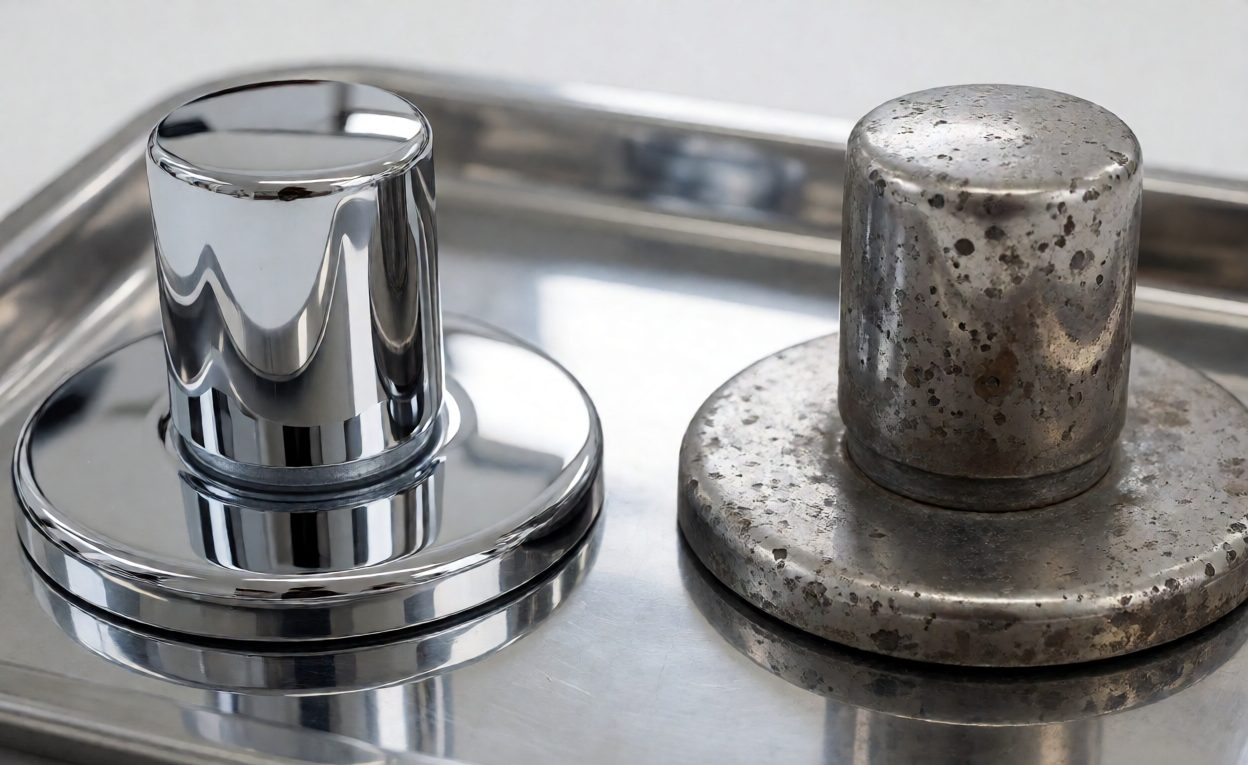
Key Takeaways
- Match the warranty to the model, finish, components and intended application.
- Define covered corrosion or finish conditions and state exclusions clearly.
- Provide care and cleaning instructions before sale, with the covered conditions in writing.
- Specify claim notice, evidence, review and remedy steps.
- Keep warranty terms separate from laboratory test results and product specifications.
Identify the Covered Product and Finish
Record the model, components, substrate, finish and application included in the warranty. Confirm the term start date and which purchase or installation record proves coverage. If different finishes or product variants have different terms, list them rather than relying on a broad category name.
Define the conditions the product is designed for using the supplier’s published data and agreed project requirements. Do not infer suitability for coastal, pool, spa, hard-water or chemical-cleaning environments from the product name or a general finish description.
Review Exclusions and Care Requirements
| Term | What to clarify |
|---|---|
| Environment | Which exposure conditions are covered or excluded? |
| Cleaning | Which methods or chemicals are permitted by the care instructions? |
| Installation | Which installation or substrate conditions are required? |
| Alteration | How do repairs, refinishing or part substitutions affect coverage? |
| Evidence | What photos, samples, purchase records or maintenance information are needed? |
Exclusions should be specific enough for the buyer and supplier to apply them to a real claim. Provide instructions in a form the distributor can pass to installers and end users. Contract terms should be reviewed against any mandatory consumer or commercial requirements in the relevant market.
Define the Claim and Remedy Process
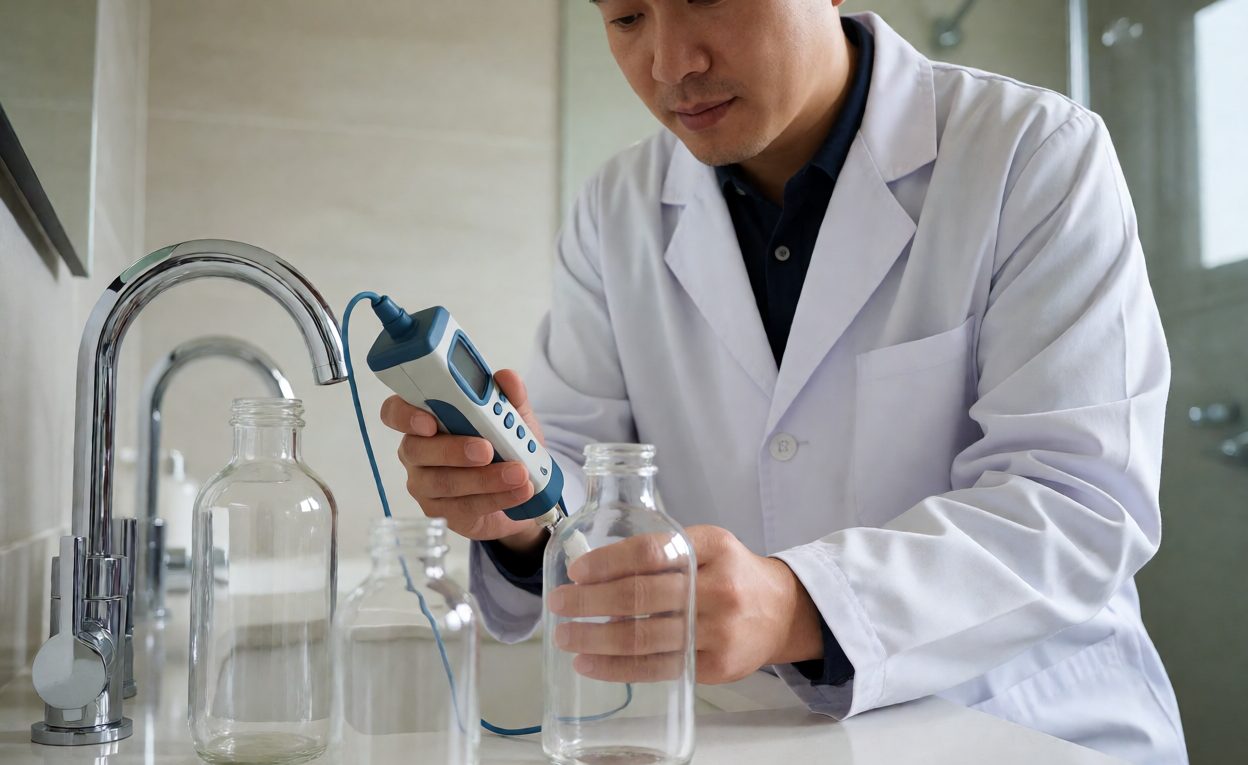
State who receives a claim, what information should be submitted, how a returned sample is handled and how the supplier communicates findings. Distinguish a visible finish issue from its cause; handling, installation, maintenance and exposure may need to be considered together.
List possible remedies and any conditions for each, such as replacement, repair, credit or agreed costs. Keep the claim decision linked to the covered model and the evidence available.
Read Test Reports Separately
A laboratory corrosion test reports results for a stated method, sample and conditions. It does not by itself set warranty coverage or predict a service period. Our salt spray testing guide explains how to read a test report within its scope.

Frequently Asked Questions
Does a corrosion warranty cover every shower hardware finish?
Not necessarily. Check the terms for the exact model and finish, along with the stated environment, care requirements and exclusions.
Does a salt spray report prove warranty coverage?
No. The report describes a test result under stated conditions. Warranty coverage is defined separately by the written agreement.
What evidence should a buyer provide for a corrosion claim?
Follow the warranty procedure. It may request product identification, purchase details, photos, installation information or a sample relevant to the reported condition.
Should care instructions be part of a warranty pack?
Yes, when care conditions affect coverage. Provide the approved instructions before sale and make sure the claim terms refer to the same guidance.