

Quick answer: A useful glass clamp RFQ identifies the glass thickness and edge, clamp geometry, mounting surface, finish, supplied accessories, drawing revision and packaging requirements. Buyers should request a drawing and production-like sample, confirm installation assumptions with the project owner, and record the accepted configuration. Product images and broad size labels are not enough to confirm a clamp will fit a specific shelf or support.
1. Describe the project and glass application
Begin with where the clamp will be used: a display shelf, cabinet, partition detail or another clearly defined interior application. Include the expected number of clamps per assembly, shelf dimensions, location and whether the hardware is visible to the end user. Identify the buyer’s intended sales channel and any pack presentation requirements. Keep each use case distinct if the same RFQ covers several furniture or bathroom projects. This context lets the supplier identify which configuration is being quoted and prevents a sample intended for one shelf arrangement from being treated as approval for a different design.
2. State the glass thickness and edge details
Provide the nominal glass thickness, width, depth and edge treatment for the shelf or panel. Include a drawing or physical reference where available and state the tolerance source used by the project team. Identify whether the part is tempered, laminated or another specified glass construction only when that information is confirmed by the buyer’s glass supplier. Do not ask a clamp supplier to infer glass construction from a photo. If several thicknesses are planned, list them separately and request the supplier’s documented fit range for each proposed clamp model. The RFQ should tie each answer to a part number and drawing revision.

3. Request a dimensioned clamp drawing
Ask for the clamp’s outside dimensions, opening, contact faces, fastener locations and any insert or pad dimensions. Mark the glass contact direction and the side that faces the installer. Check how the clamp accommodates the stated glass thickness and whether any adjustment is documented by the manufacturer. Avoid assuming that two clamps with the same catalog name share the same opening or fixing pattern. A dimensioned drawing makes it possible for design and purchasing to compare bids against the same physical envelope and highlight any change before a sample is ordered.
4. Define the mounting surface and fixing scope
Describe the wall, cabinet or support interface that the clamp will meet. State whether fasteners are included, supplied separately or selected by the installer, and list the information the supplier should return about the fixing points. Site conditions can affect the appropriate fixing method, so assign a qualified installer or project engineer to approve that decision. The clamp quotation should not be treated as a structural assessment of an unknown substrate. Keep the hardware drawing and the site fixing detail linked but separate, making clear which party confirms each assumption.
5. Specify the finish and visible appearance
Name the requested finish using the buyer’s reference, sample or approved color system. Ask whether the finish is applied to the whole visible assembly or only selected surfaces, then review the real sample under consistent lighting. Record color, sheen, edge appearance and any acceptable variation in the project approval file. If the shelf clamp will be installed beside hinges, handles or brackets, compare the parts as a coordinated set. Do not rely on monitor colors or catalog photos as the final finish standard; use a dated sample and note the supplier’s finish reference.
6. List accessories, instructions and replacement parts
Specify the required quantity of clamps, inserts, pads, screws, covers and any other accessories. Identify which items are included in the quotation and which are optional or buyer-supplied. Request the installation sheet and item identifiers that a distributor or service team would use to reorder a replacement. Check that the instruction wording matches the actual clamp orientation and fixing points. A complete accessory list reduces the risk of approving the visible clamp while a necessary component is missing from the retail package or project shipment.
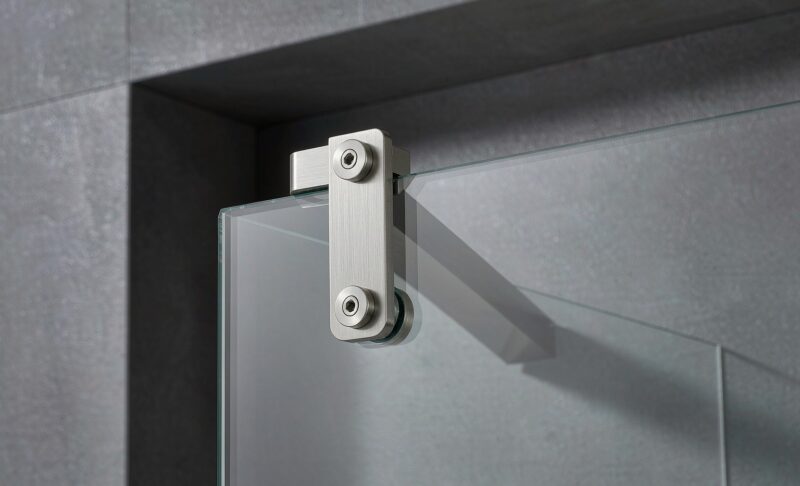
7. Review the sample and packaging together
Ask for a sample that matches the quoted model, glass interface, finish and accessory set. Inspect fit using an appropriate glass reference and the supplier’s documented installation method; do not force a part onto glass to test compatibility. Review whether the package separates metal parts from glass contact surfaces, protects the finish and keeps the item code readable. For mixed-size orders, confirm each bag or carton can be matched to its model. Photograph the sample, label the images with the revision and record any open dimension or finish questions before approval.
8. Tie the quotation to a controlled release record
Keep the approved drawing, finish reference, sample result, accessory list, pack details, order code and date in one release file. Record any deviations and identify who may approve a substitution. Ask the supplier to notify the buyer before changing the clamp body, insert, fixing pattern, finish source or package. Receiving staff can then compare delivered goods with a known configuration, while the sales or installation team has the same description for repeat orders. Reopen the review whenever glass dimensions, support conditions, appearance requirements or project packaging change.
For buyers comparing available product and supplier options, see Zimmor shelf clamp options.
Questions buyers often ask
What details should a glass clamp RFQ include?
List glass dimensions and edge, clamp drawing, mounting surface, finish, accessories, installation assumptions and pack requirements.
Can a clamp be approved from a catalog photo?
No. Use a dimensioned drawing and a representative sample with the specified glass interface.
Who confirms wall fixing suitability?
The qualified installer or project engineer should assess the actual substrate and installation conditions.
What should buyers retain for repeat orders?
Save the accepted model, drawing revision, finish reference, sample photos, accessories and packaging record.