

Inspection records can help a buyer connect a finding to a product model, lot and shipment. Their value depends on what was inspected, how samples were selected and whether the records match the goods delivered. A record does not prove that every unit was inspected or that no defect exists.
For sampling methods and acceptance criteria, see our AQL sampling and inspection plan guide.
Key Takeaways
- Agree the inspection plan and acceptance criteria before production.
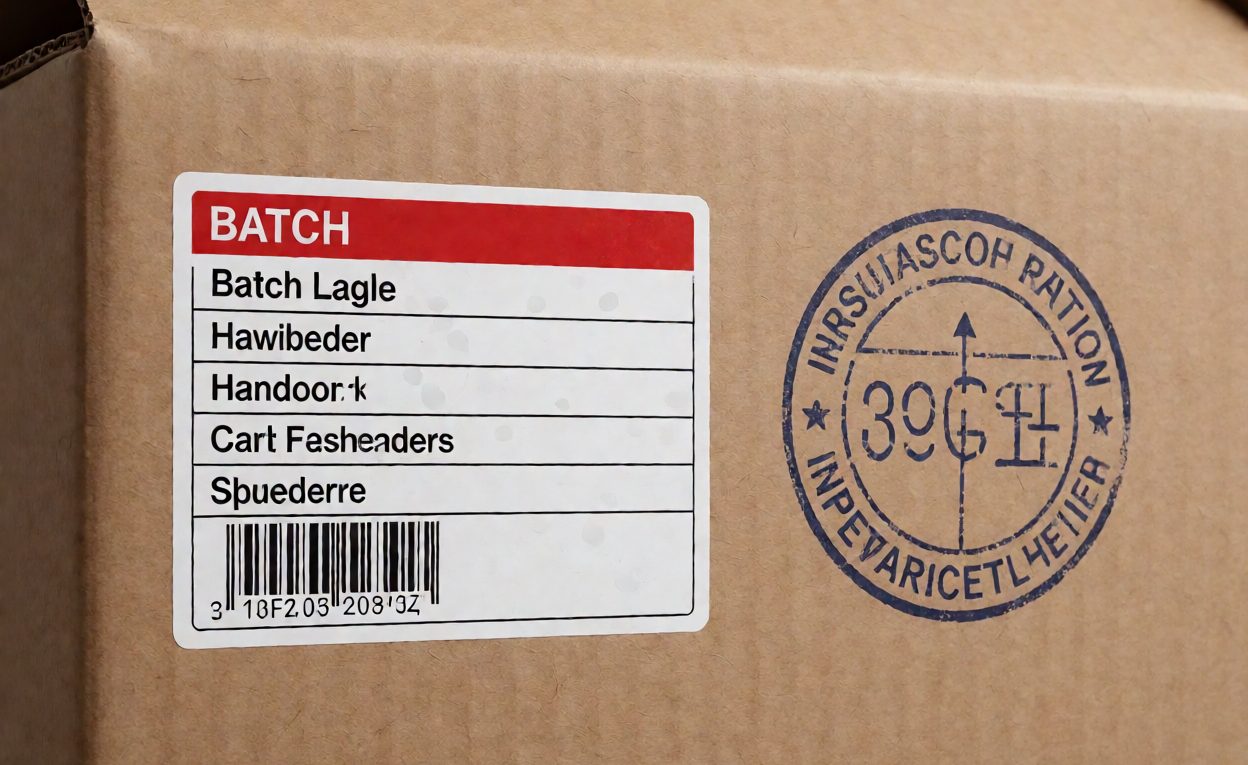
- Record model, revision, lot or batch, inspection date and sample identifiers.
- Capture results, nonconformities, corrective actions and disposition.
- Link the affected batch or cartons to shipment records where traceability is required.
- Keep sample results separate from claims about every unit in a lot.
Define the Inspection Plan
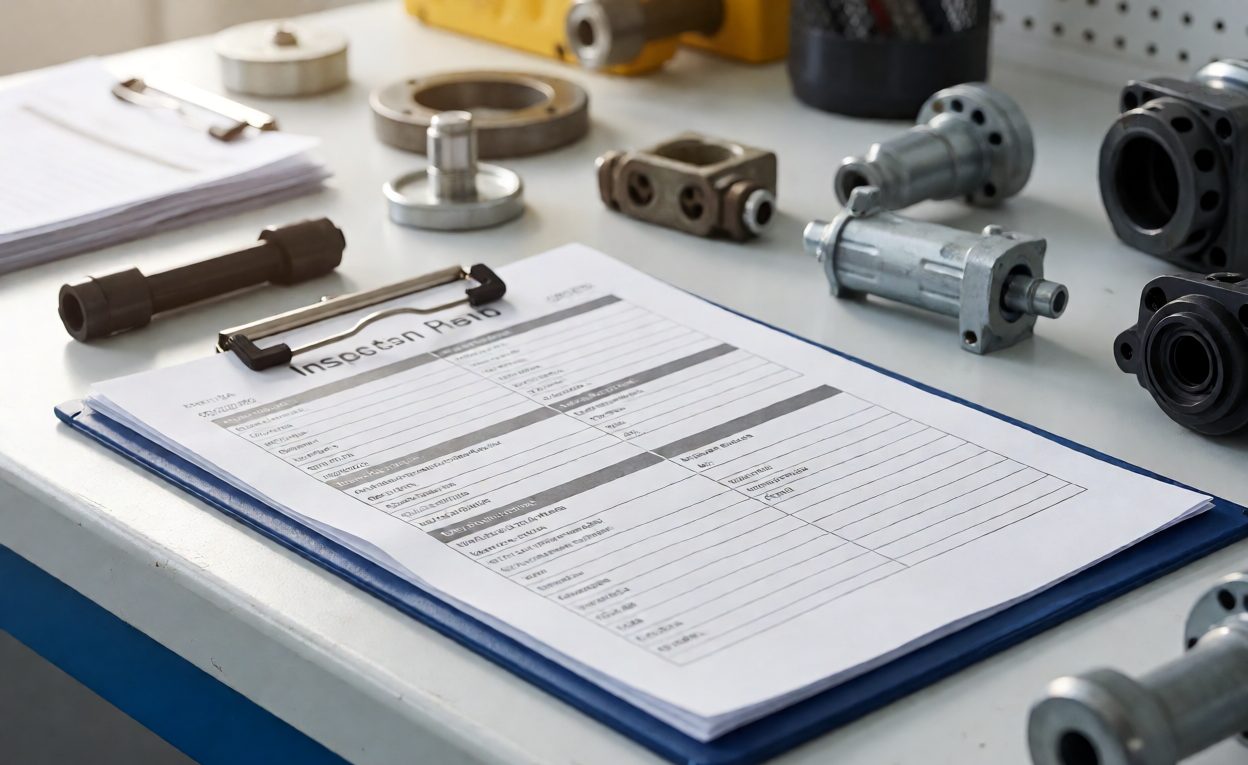
Before ordering, specify the characteristics to inspect, the method and instruments where relevant, the acceptance criteria, the sampling plan and who approves exceptions. Make clear whether inspection is performed on every unit, a sample, or selected process stages. Do not imply broader coverage than the plan provides.
Build a Traceable Record
| Record field | Why it helps |
|---|---|
| Product model and revision | Identifies which design and configuration were inspected |
| Lot, batch or production date | Connects findings to the relevant production group |
| Sample identifiers and plan | Shows which pieces were checked and how they were selected |
| Criteria and results | Allows the buyer and supplier to compare results with the agreed specification |
| Nonconformity and disposition | Records containment, rework, acceptance or corrective action |
| Shipment references | Connects released goods to cartons, orders and transport records |
Use Records to Investigate a Finding
When a complaint arrives, identify the model and affected lot, compare the reported condition with the agreed criteria, and review the relevant inspection results. Determine whether the record covers the specific characteristic and sample in question. If the record does not cover it, say so and gather additional evidence rather than treating a passing unrelated check as proof.
Set a retention period and record owner in the purchase specification or quality agreement. Requirements vary by contract, product rules and the buyer’s system; avoid assuming one retention period works for every order.
Frequently Asked Questions
Do end-of-line records prove every unit is defect-free?
No. The evidence depends on the inspection plan and sample coverage. State whether the record covers every unit, a sample or selected process checks.
Which identifiers should connect inspection to a shipment?
Use the product model and revision, production lot or batch, sample identifiers and shipment or carton references that apply to the order.
What should an inspection record include?
Record the plan, criteria, date, sample identity, results, nonconformities, corrective action and disposition.
How long should records be kept?
Set retention in the applicable contract, quality system or product-rule requirement. The period can vary by market and product.