

Private-label packaging affects product identification, artwork approval, print cost, warehouse handling and launch timing. Set it up from the exact SKU and target sales channel, confirm the destination-market requirements, and approve a production proof before cartons or labels are printed.
Assign and verify product identifiers
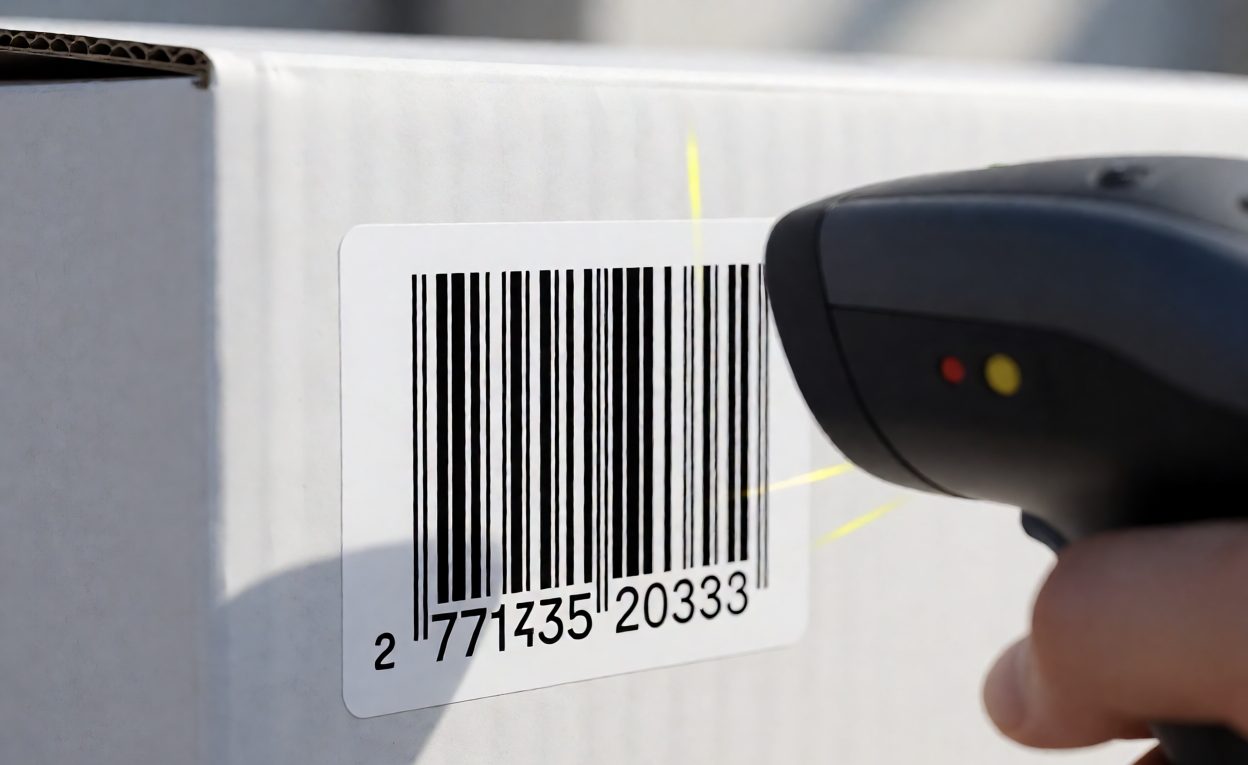
Start by confirming whether the retailer, marketplace or distributor requires a barcode and which data format it accepts. A GS1 GTIN is a product identifier; the barcode symbol is its machine-readable representation. For branded trade items, GS1 says the brand owner is normally responsible for GTIN allocation, regardless of where or by whom the item is made. If the buyer owns the brand and product specifications, coordinate the GTIN with the relevant GS1 Member Organisation and do not reuse a number across distinct trade items.
Ask who owns each identifier, which sellable unit it identifies, and whether a different package configuration needs a distinct identifier under the applicable rules. Before print approval, verify the number, check digit, symbol type, size, contrast, quiet zones and placement with the retailer’s requirements and the relevant GS1 guidance. A successful scan of one proof is not a substitute for a complete print-quality check.
Approve the artwork against the actual pack
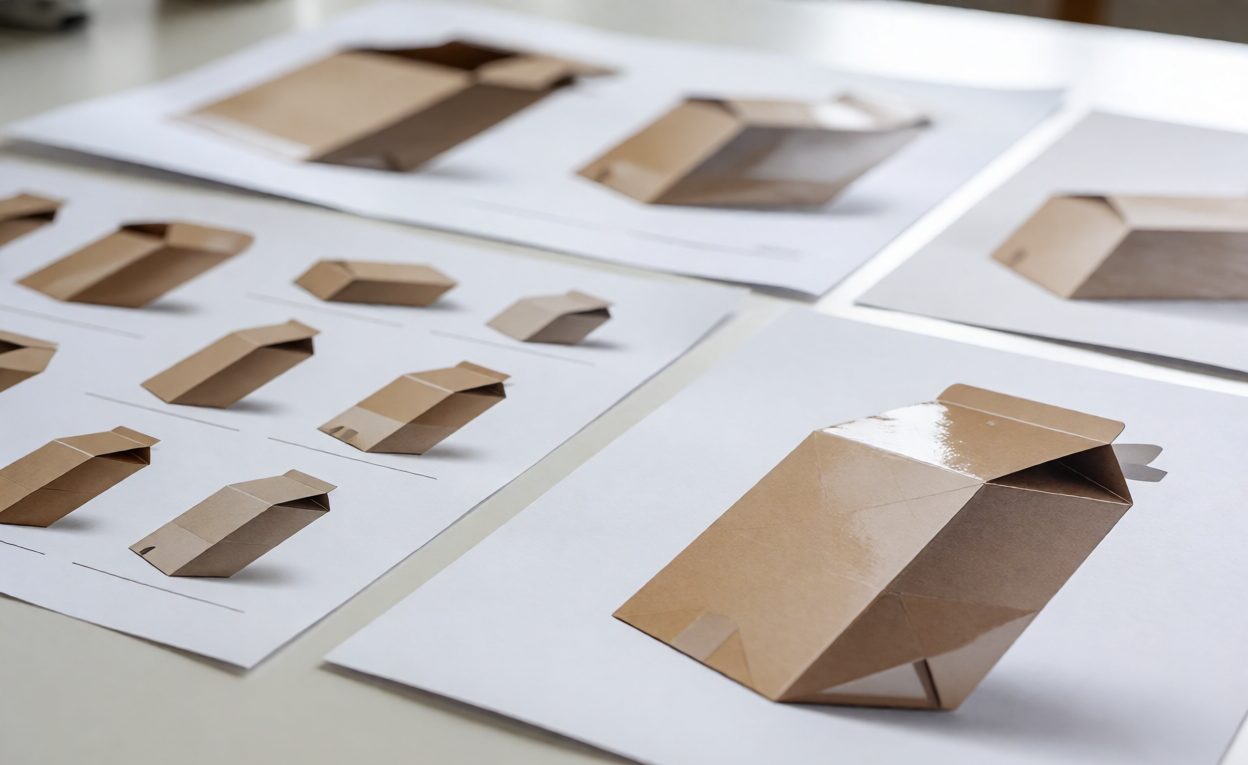
Request the current dieline from the packaging supplier and confirm that it matches the packed product, inserts and protective materials. The artwork proof should identify the SKU, finish or variant, pack quantity, brand, approved identifiers and any required market-specific text. Have the importer or responsible market operator verify legal markings, language and origin declarations for the destination market; do not assume the same panel is suitable everywhere.
Record artwork file name and revision, dieline revision, approver, date, colour reference, print method and the exact content being approved. Confirm that the barcode remains clear of folds, seams, closures, reflective surfaces and printed elements. Approve a physical print proof or equivalent evidence when colour, legibility or material performance is critical.
Quote the packaging separately
Packaging minimums, setup charges and lead times depend on the printer, materials, print method, artwork and order quantity. Ask for each as a separate line rather than assuming the hardware order quantity controls the packaging run. Compare options such as a standard carton with a SKU label, a shared carton design with variant labels, or fully printed cartons. Confirm who owns unused printed stock and what happens if a product or artwork revision makes it obsolete.
For a first order, compare the total commitment and workflow for each option: tooling or plate costs, proofing, minimum print quantity, excess stock, label application, packing labour and time to approve. Any estimate should be tied to a named artwork revision and a stated quantity.
Make warehouse and shipment labels operational
Ask the receiving warehouse or project site which carton information and scan format it needs. Common fields to confirm include supplier SKU, buyer SKU, finish or variant, quantity per inner and master carton, carton sequence, purchase order, gross and net weight, dimensions and handling instructions. Use a packing list that reconciles with the carton labels. Decide in advance whether mixed cartons are allowed and how each component will be identified.
Give the forwarder or loading team the final packed carton dimensions and weights, not only the bare hardware measurements. If a container combines SKUs, link the carton plan to the current mixed-container loading plan. Project-delivery cartons may need different handling and identification from retail-ready packs.

Put packaging changes into the approval process
Before printing, confirm that product and packaging approvals are synchronized. A change in product finish, included components, instructions, identifier or destination market can make a pack inaccurate even when the carton dimensions are unchanged. Define who must approve a revision, how obsolete artwork is withdrawn, and how the supplier identifies the approved version at packing. The sample approval checklist can be extended to include the packaging proof and final packed sample.
Frequently Asked Questions
Who should allocate the GTIN for private-label shower hardware?
For branded trade items, GS1 says the brand owner is normally responsible for GTIN allocation. Confirm who owns the product specifications and brand, obtain the identifier through the appropriate GS1 route when required, and verify retailer or marketplace rules.
Does every shower hardware package need a barcode?
Requirements depend on the sales channel, buyer, market and package level. Ask the retailer or distributor which identifier and barcode format it requires before artwork is approved.
Does the hardware MOQ determine the printed carton minimum?
No. The hardware and packaging suppliers may set different quantity, setup and timing requirements. Request a separate quote for each packaging option and confirm any surplus stock or label-application costs.
What should I verify on a packaging proof?
Check the SKU and variant, identifiers, barcode readability and clear space, artwork revision, dieline, required destination-market text, colour reference and carton dimensions. Get written approval from the person responsible for the market and channel requirements.
Which carton details should I provide for container planning?
Provide the final packed dimensions, gross and net weight, carton count, quantity per carton, stackability or handling limits, and any mixed-carton rules. Confirm the plan against the actual packing configuration.