

“OEM” and “private label” can describe different scopes from one supplier to another. Before comparing a programme, define whether the order uses an existing model, changes its specification, adds buyer branding, or requires a new design and tooling. Then agree the approval, quality, packaging and change-control records that will apply to the exact product.
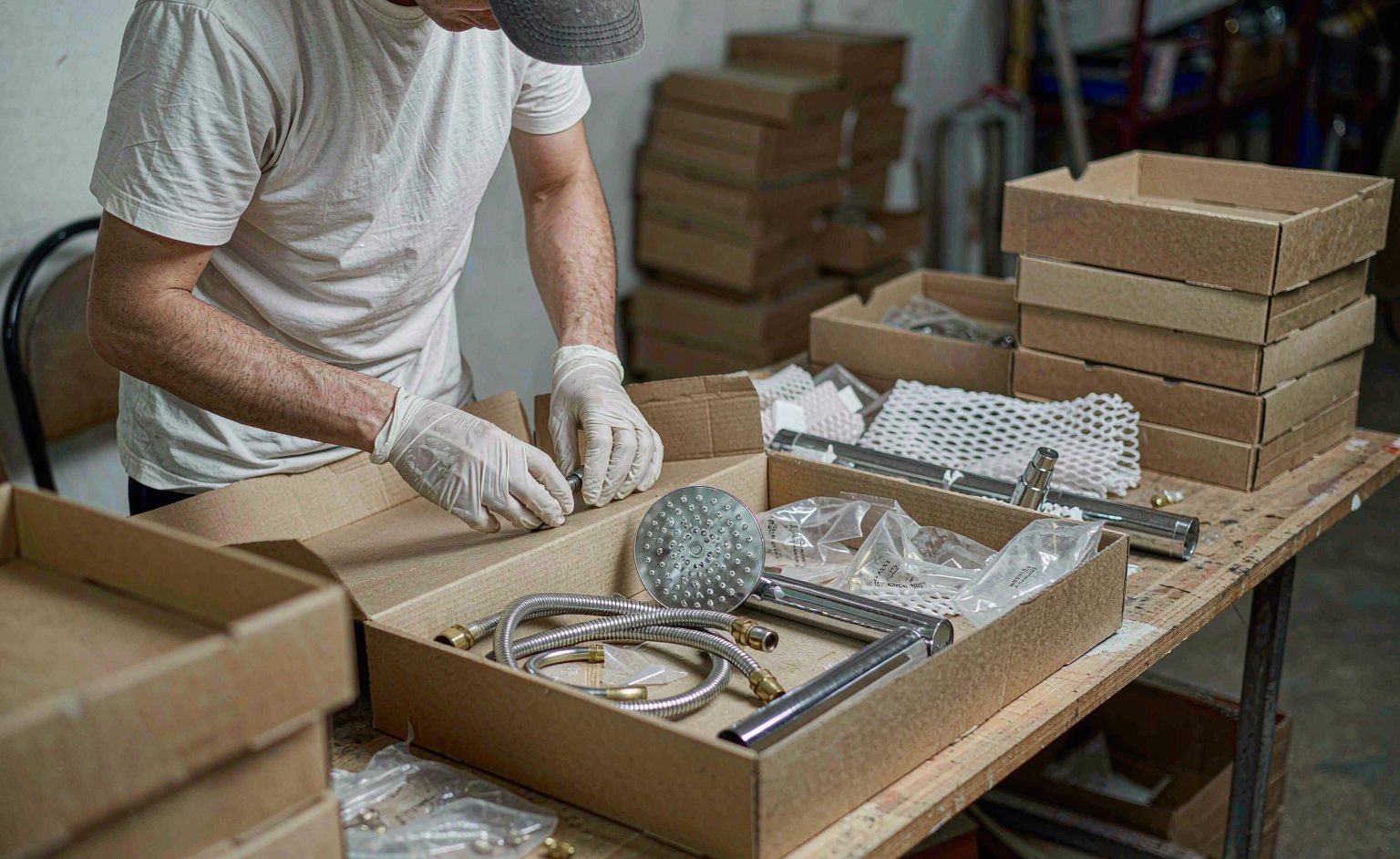
Separate a relabel from a product programme
Ask the supplier to quote the requested scope explicitly. A programme may include one or more of these items:
- An existing catalogue SKU sold in standard packaging.
- Existing hardware with a buyer’s brand, label, insert or carton.
- A change to dimensions, materials, finish, components or instructions.
- A new or modified design with engineering review and tooling.
Do not assume “OEM” means the same design, tooling, quality controls or intellectual-property terms across suppliers. Ask the supplier to list what is included and excluded, and what changes make the quote or approval obsolete.
Freeze the product specification before quotation
Give the supplier one controlled specification for each sellable item: SKU, drawing revision, base materials, components, finish, dimensions, glass interface, package contents, intended use, market and any performance or compliance requirements. State which details are fixed and which alternatives may be quoted. Ask the supplier to identify any unverified claim or missing input rather than filling the gap with an assumption.
If the supplier proposes a design or material change, record the proposal and its effect on fit, evidence, pricing and schedule before accepting it. The sample approval checklist provides a controlled reference for the exact configuration.
Agree product, sample and production gates
Turn the programme into release gates with an owner and written acceptance record:
- Feasibility: confirm the drawing, materials, tooling route, finish, packaging, target quantity, markets and requested evidence.
- Design or sample review: identify the sample source and revision; record dimensions, fit, operation, finish, packaging and open deviations.
- First-article or pilot release: decide whether the sample must come from production tooling and the intended production process; state what is inspected before the balance is released.
- Lot inspection: define the lot, inspection method, defect criteria, report, disposition and responsibility for a failed result. See the inspection-plan guide.
- Repeat-order control: tie production to the approved revision and define who must approve a change to material, process, factory, finish source, packaging or instruction.
Set branding and document requirements
List the approved brand files, permitted artwork changes, identifiers, packaging revision, language versions, instructions and any market-specific labels. Confirm who assigns or verifies each product identifier and who checks legal text for the destination market. Get written rights for supplier images and copy before using them in a store or marketplace. The private-label packaging checklist covers carton proofs, GTIN coordination and warehouse labels.
Request current SKU data, drawings, material/finish information and applicable test reports tied to the exact configuration. Keep the issue date, revision and source with each file. A certificate or report should not be presented as covering a different size, material or finish unless the scope supports that extension.
Put commercial and ownership terms in writing
Quote the product, development work, samples, tooling, packaging, testing, inspection and transport separately where practical. State MOQ assumptions, currency, quote validity, delivery basis and which costs can change after a design or quantity revision. If the project includes custom tooling, specify payment stages, title, physical location, permitted use, maintenance, access, transfer, storage and end-of-program handling. The tooling cost guide lists the terms to define. Payment alone does not answer every ownership or exclusivity question; have counsel review the agreement for the markets involved.
Frequently Asked Questions
What does OEM mean for shower hardware?
Suppliers may use “OEM” for different scopes. Ask whether the quote covers an existing SKU, a specification change, buyer branding, custom engineering or tooling, and record what each side will deliver.
Does a private-label programme always need new tooling?
No. Branding or packaging an existing approved model may not need new tooling. A dimensional or design change may require engineering or tooling; ask the supplier to confirm based on the exact drawing.
Does paying a tooling charge automatically give me exclusive ownership?
Do not assume so. The agreement should address title, possession, permitted use, access, maintenance, transfer and exclusivity separately, with legal review where appropriate.
What quality checks should be included?
Define checks for the exact SKU and risk: first article, lot inspection, test evidence, defect criteria, reports, failure disposition and change approval. Keep safety or regulatory controls separate where needed.
What should I prepare before requesting an OEM quote?
Provide the target SKU or drawing, materials, finish, glass interface, quantity, package and brand scope, market, requested evidence, delivery destination and target timing. Mark unresolved items and ask the supplier to state assumptions.