

A product certificate, laboratory report, management-system certificate and inspection record answer different questions. A document is useful only when its scope matches the product, market and decision the buyer needs to make. Read the stated scope and conditions rather than relying on the document title or issuer logo.
For defined sample plans and inspection evidence, see our AQL sampling and inspection plan guide.

Key Takeaways
- Separate product evidence from factory management-system evidence.
- Match every certificate or report to its model, revision, material, finish and production site.
- Check the method or standard and edition named in the document.
- Verify issuer competence and current document status where relevant.
- Confirm surveillance and change-control terms instead of assuming they exist.
What Different Documents Can Show
| Evidence | What it may cover | What to verify |
|---|---|---|
| Product certificate | Products and requirements listed in its scope | Model range, standard, site, conditions and validity |
| Laboratory test report | Results for the submitted sample under a stated method | Sample identity, test method, edition, date and limitations |
| Management-system certificate | The management system and sites named in the certificate | Scope, locations, issuer and validity; it does not by itself establish a specific hinge’s load or cycle performance |
| Inspection record | Findings for a defined order, sample or production stage | Inspection plan, lot, sample size, criteria and disposition |
Check Scope and Traceability
Compare the document with the purchase order and current drawing. Look for the exact model or a clearly defined product family, relevant finishes and materials, the manufacturing site and any exclusions. If a test report covers one sample, do not assume it covers every variant or later production without evidence that the variants are represented.
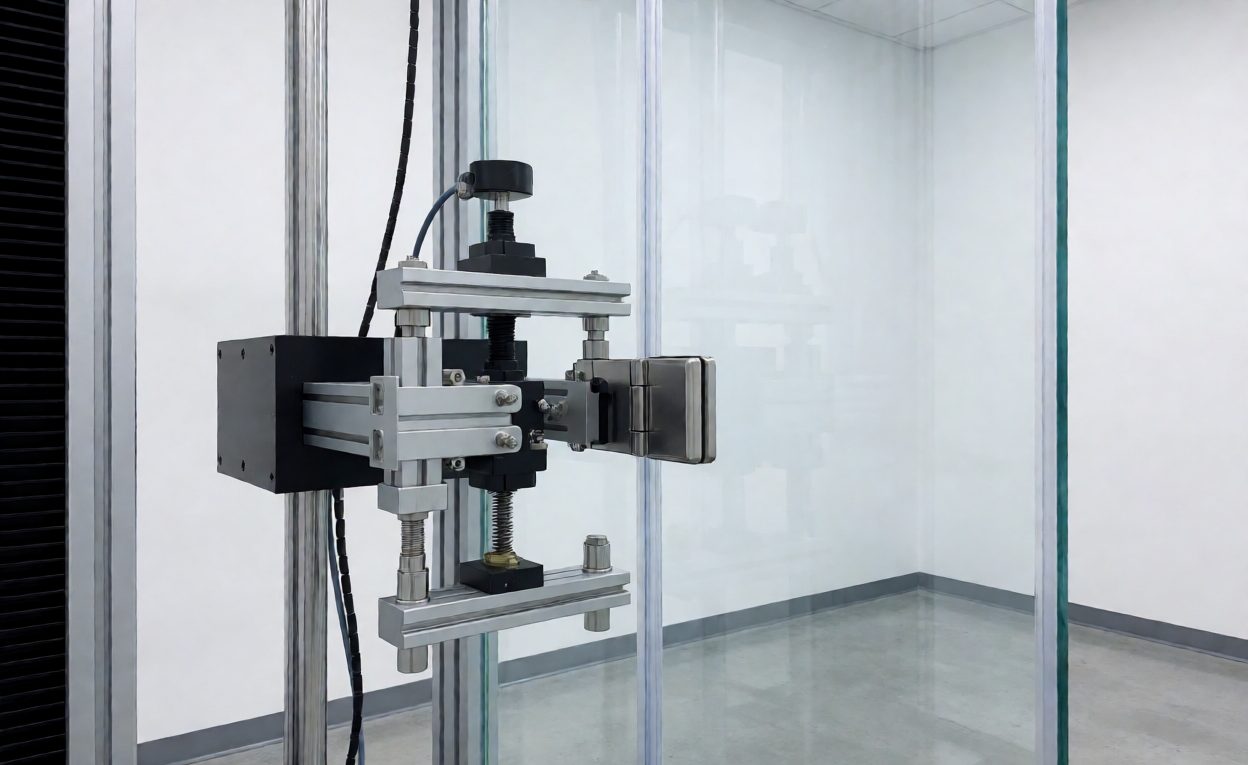
Record the issuer, document number, issue date, status and any expiry or renewal date. Where accreditation is relevant to the test or certification, confirm that the issuer’s scope covers the activity and method named. If the buyer’s tender names a required scheme or mark, verify acceptance with the project specifier before paying for a different certificate.
Ask What Happens After Approval
Some product-certification programs include surveillance or change-control requirements; others may not. Ask who selects samples, whether production sites are audited, how material or design changes are handled, and how the current status can be checked. Do not infer ongoing factory monitoring from a one-time report.

Build a document-to-SKU register so purchasing and quality teams can see which evidence applies to each model and when it needs review. For performance testing, use a report whose load, cycle or corrosion method and sample match the question being asked.
Frequently Asked Questions
Does an ISO 9001 certificate prove a hinge’s performance?
No. It relates to the management system and scope stated in the certificate. It does not by itself demonstrate a specific hinge model’s load, cycle or corrosion performance.
Does a laboratory report apply to every finish or model?
Only if the report or supporting scope establishes that the tested sample represents those variants. Check the model, material, finish and test conditions.
How can I verify a certificate?
Check its issuer, number, scope, named sites, status and validity with the issuer or relevant accreditation directory when available.
Are all third-party certificates interchangeable?
No. Their scope, method, sample coverage and recognition differ. Compare the evidence with the requirement in the contract or market.