

There is no single import document pack that applies to every shower hardware shipment. Requirements vary by destination, product classification, transport, transaction terms and the roles of the seller, importer and broker. Use this page to organize a shipment checklist, then confirm the exact requirements with the customs broker or relevant authority for the destination.
For supplier requirements to agree before ordering, see our wholesale shower hardware RFQ checklist.

Key Takeaways
- Separate transport and commercial paperwork from product-specific compliance evidence.
- Confirm document requirements for the destination, product and transaction before shipment.
- Check that the invoice, packing list and transport records describe the same goods and quantities.
- Do not assume a certificate of origin, test report or declaration is required for every shipment.
- Agree who prepares, checks and receives each document under the contract and shipping terms.
Build a Destination-Specific Checklist
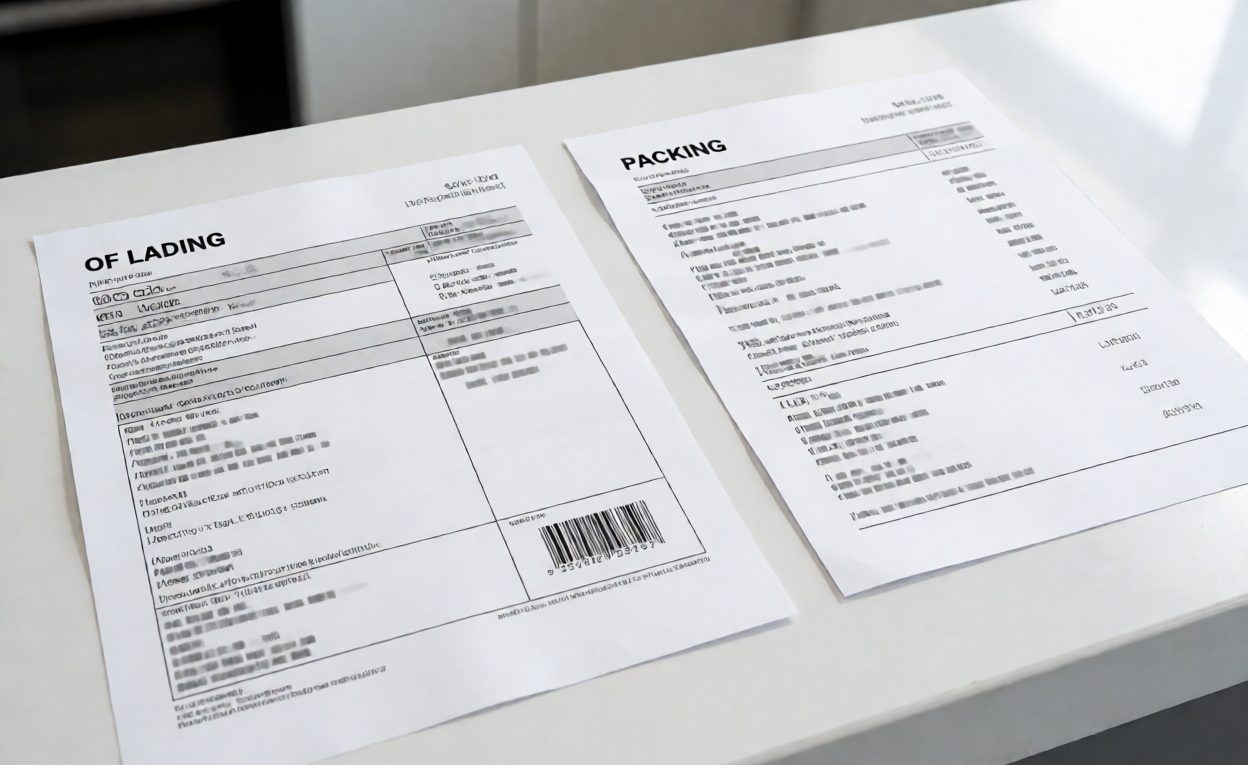
Ask the broker which documents are needed for the import entry and whether the destination requires a particular format, language or original. The commercial invoice, packing list and transport document are common shipment records, but the exact requirements and data fields depend on the route and transaction.
| Record | Check before shipment | Requirement depends on |
|---|---|---|
| Commercial invoice | Part description, quantity, value, currency, seller and buyer details | Destination rules, transaction and customs valuation |
| Packing list | Carton and SKU quantities, package count, weights and dimensions | Carrier and import-entry requirements |
| Transport document | Consignee, route and cargo description | Mode of transport and carrier |
| Origin evidence | Country-of-origin statement or certificate, if required or used for a preference claim | Destination, origin rules and claimed treatment |
| Product evidence | Declarations, labels, test reports or technical records where applicable | Product rules, market and contract specification |
Reconcile the Drafts
Compare the invoice and packing list with the purchase order and final packing data. Check that quantities, descriptions, values, package counts, gross weights and origin details agree or have a documented explanation. A mismatch can prompt questions or delay processing, but the cause and outcome depend on the shipment and authorities involved.

Ask for draft documents early enough to correct errors before dispatch. Keep the accepted versions, shipping references and later amendments together in one record for each shipment.
Confirm Classification and Responsibility
Product classification and duty depend on the item and destination tariff. Identify the actual product rather than using a generic “hardware” description, and have the importer or customs broker confirm the applicable code and supporting information. National tariff schedules may extend the internationally harmonized code with additional digits, so do not assume that a classification is identical in every market.
Confirm which party is importer of record, who submits the entry, who pays duties and taxes, and how the agreed trade term allocates tasks. A supplier may prepare documents, but the contract and local rules determine responsibility.
Keep Product Compliance Separate
Customs entry documents and product conformity records serve different purposes. Request a Declaration of Conformity, test report, material declaration or label evidence only when the applicable product rule, destination or customer specification calls for it. Match each record to the exact product or model and keep any retailer or project requirements labelled separately from legal requirements.
Frequently Asked Questions
Is a certificate of origin always required?
No. The need and format depend on the destination, origin claim and transaction. Confirm with the customs broker or authority.
Who is responsible for import classification?
Responsibility depends on the destination rules, contract and shipping arrangement. Confirm the importer of record and the filing party before shipment.
Are product test reports part of every customs pack?
No. Request product evidence when the applicable rule, destination or customer specification requires it. It is separate from ordinary transport and commercial records.
Can shipment documents be released electronically?
Availability depends on the carrier, destination, document type and payment arrangement. Confirm the process for the specific shipment.