

Quick answer: A glass clamp quote should be based on the glass type and thickness, panel dimensions, mounting surface, clamp position, intended use and installation conditions. Buyers should confirm the supplier’s compatibility information, obtain the appropriate engineering review for the project and approve a drawing or sample before drilling or installing glass.
1. Describe the panel and its intended role
Identify whether the clamp supports a fixed shower screen, joins two panels or serves another documented function. Provide the glass specification, thickness, dimensions, edge treatment and any holes or notches shown on the approved drawing. State whether the panel is fixed or subject to movement and describe the installation context. Do not rely on the word “glass” as a complete material specification. If the panel supplier has limits on hole locations or edge distances, include its drawing and ask the hardware supplier to confirm compatibility. The goal is to give each reviewer the same panel information before a quote is accepted.
2. Confirm clamp type and exact mounting position
Show the clamp location on an elevation and plan view, including orientation, opening direction and relationship to the wall, curb or adjacent panel. Identify whether the hardware is surface-mounted or uses another interface described by the supplier. Ask for a dimensioned drawing that shows the clamp body, contact area, fasteners and required installation clearance. Similar-looking clamps may differ in their intended use, so match the model code to the project condition. If the design includes several clamps, give each one a location identifier and confirm the count. This helps the installer and glass processor coordinate before a hole or cutout is made.

3. State the mounting substrate and fixing assumptions
Describe the wall, post or other substrate that will carry the clamp and whether the surface has a finished covering. Identify backing or reinforcement only when confirmed by the site or project engineer. Ask which anchors and fasteners are included, which are optional and which must be selected for the actual substrate. The supplier should not be expected to infer concealed structure from a finish photograph. Have the installer or responsible engineer confirm the fixing method and any project load requirements. Record the assumption on the drawing and identify the owner who will verify it before installation. This separates product compatibility from building-specific structural decisions.
4. Review pads, contact surfaces and glass protection
Ask the supplier to identify the contact material or insert supplied with the clamp and how it is positioned. Check whether the project needs a particular finish, appearance or replacement part. During sample review, confirm that the glass sits as intended and that the installation instructions explain the assembly sequence. Do not substitute a pad or liner without approval because it may change the fit or contact condition. If a clamp can be assembled in more than one orientation, identify the approved one in the drawing. A clear parts list makes it easier to inspect delivered hardware and to maintain the assembly later.
5. Match finish and environment
Specify the requested finish and ask the supplier to confirm it for the chosen clamp and accessory set. Describe the environment and cleaning routine expected for the installation, and request care instructions for the supplied finish. Review the sample beside the other visible shower hardware to confirm that the colors and surface appearance work together. If the project involves a particular exposure or maintenance condition, have the appropriate project owner assess it and request supporting product information. Avoid assuming that a finish name guarantees performance in every environment. Connect the finish code to the quotation and product drawing so an alternative is not introduced without review.
6. Coordinate glass fabrication details before release
Ask the glass processor to confirm whether holes, notches or edge treatments are required and to approve their dimensions and placement. Tie the hardware drawing, glass drawing and installation plan to the same revision. Verify clearances between the clamp, adjacent fittings and door movement. Do not allow a preliminary hardware sketch to be used as the sole fabrication instruction unless the responsible glass professional has approved it. If a change occurs after fabrication starts, identify who must be notified and whether the glass can still be used. This coordination is especially important when the project has custom panels or limited installation tolerance.
7. Define the sample and engineering review
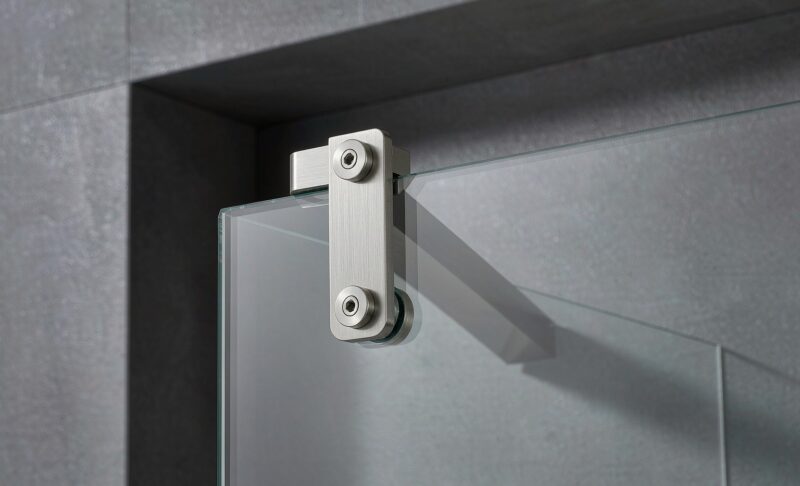
Agree on what a sample review will establish: appearance, fit with the stated glass, supplied components and clarity of instructions. Any structural or load-related acceptance should be defined by the qualified project engineer using the applicable project requirements and product evidence. Do not invent a universal load rating or infer one from appearance. Record the model, finish, glass specification, mounting surface and revision used during review. If the sample differs from the final project condition, list what remains to be verified. This keeps a product approval from being confused with an engineering approval of the completed installation.
8. Prepare installation and maintenance records
The project file should include the hardware code, glass drawing, mounting instructions, fastener list, finish, approved sample record and responsible reviewers. Ask the supplier how the clamp can be inspected, adjusted or replaced and whether particular care guidance applies. Keep replacement-part identifiers available to the owner or maintenance contractor. If an installer proposes a different anchor or assembly sequence, have the responsible project owner assess the change before work proceeds. Clear installation records help preserve the intended configuration and make later service requests easier to answer.
9. Send the right information with the quotation request
Include glass details, panel layout, clamp locations, substrate, finish, accessory list, drawings, installation context and any project engineering requirements. Ask the supplier to list assumptions and to return compatibility drawings for review. For options, see Zimmor glass clamps and request confirmation for the exact glass and mounting condition rather than selecting from a product image alone.
For buyers comparing available product and supplier options, see Zimmor glass clamps.
Questions buyers often ask
What is the first detail needed for a glass clamp quote?
Provide the glass specification and the clamp’s intended role and location. Add the panel drawing and mounting substrate so the supplier can check the proposed configuration.
Can the hardware supplier approve the building fixing?
The supplier can provide product information, but the project installer or qualified engineer should confirm anchors and structural suitability for the actual substrate and loads.
Should glass holes be drilled before clamp selection?
Coordinate the clamp and glass drawings first. The glass processor should approve required holes, notches and edge details before fabrication.
What should a buyer verify on a clamp sample?
Check model and finish, supplied pads and fasteners, fit to representative glass, installation instructions and any open engineering or site questions.