
A corrosion and cleaning test plan for shower enclosure hardware should begin with the project exposure and the finish under review. Define the sample, observations, and acceptance decision before the test starts.
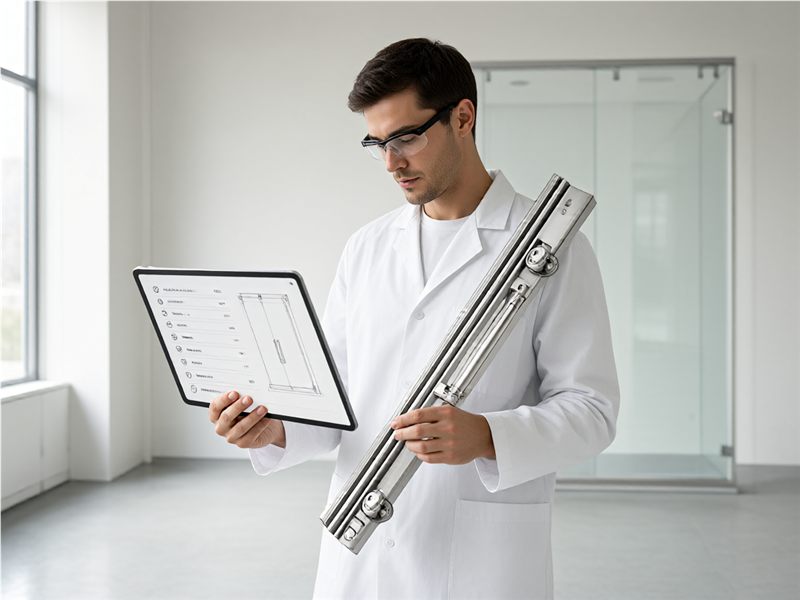
Describe the exposure the project needs to represent
Record the intended location, cleaning routine, water exposure, and any environmental condition the buyer wants the test to address. Keep the description factual and tied to the project. Ask the supplier or testing organization to confirm whether the proposed method is suitable for that question, and note any real service condition that the test will not reproduce.
Select representative models and finishes
Identify the exact hardware model, substrate, finish, production sample, and preparation used. Include a control or comparison sample only when the test plan explains what it is intended to show. Do not generalize a result from one finish to another without supporting evidence. Label each sample so the final observation can be linked to the order record.
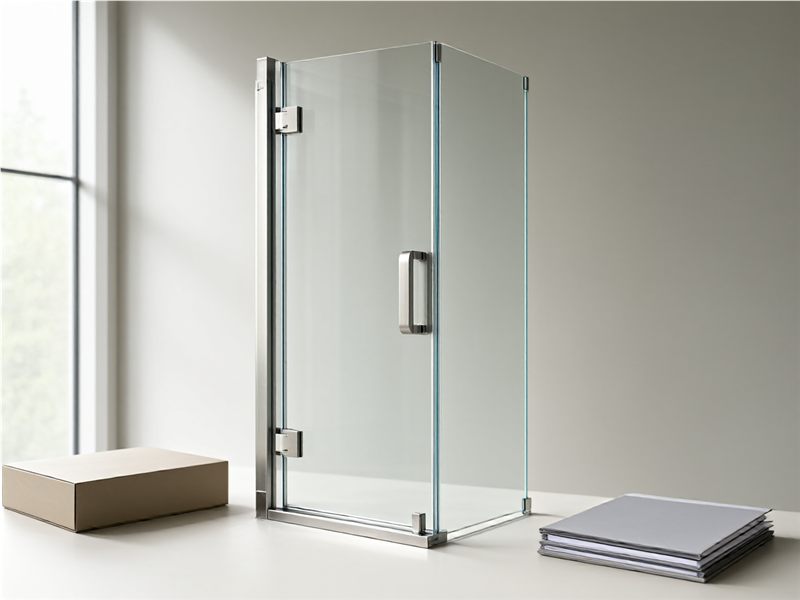
Set observations and acceptance criteria in advance
Choose what will be recorded, such as visible change, coating condition, function, or cleaning response, and define who evaluates it. Agree the acceptance criteria before reviewing the result. If the project has not set a threshold, leave the outcome as a decision for the responsible reviewer rather than inventing a pass level after the test.
Report limitations and follow-up actions
The report should state the method, conditions, duration if applicable, sample identity, observations, deviations, and any exclusions. If a result raises a concern, document the action and who owns it. Keep the report attached to the model and finish revision so later purchasing does not cite it for a different product configuration.
Corrosion test planning questions
Does a test guarantee performance in every bathroom?
No. A test represents its stated sample and conditions; compare those limits with the project's actual exposure.
When should acceptance criteria be chosen?
Before the test is run, with the person responsible for approving the evidence.
Related resources: Zimmor glass hardware and fitting information; ANSI Z97.1-2026: Safety glazing materials used in buildings.
