

For shower hardware, the label PVD does not by itself establish corrosion resistance or service life. Buyers should identify the substrate, finish system, product model and test evidence for the exact part being purchased.
Key Takeaways
- Compare complete finish systems on the specified hardware, not finish names alone.
- Ask which substrate and surface preparation the test report covers.
- Review the method, specimen, exposure, acceptance criteria and report issuer before comparing salt-spray hours.
- Approve a production-representative sample and record care requirements for the selected finish.
- Do not convert a laboratory exposure time into a promised service life.
What PVD means in a finish specification
PVD stands for physical vapor deposition. In procurement documents, use the term as a process description only when the supplier identifies the coating system used for the exact product. A finish color such as brushed gold or matte black does not uniquely identify the substrate, coating composition, preparation or production controls.
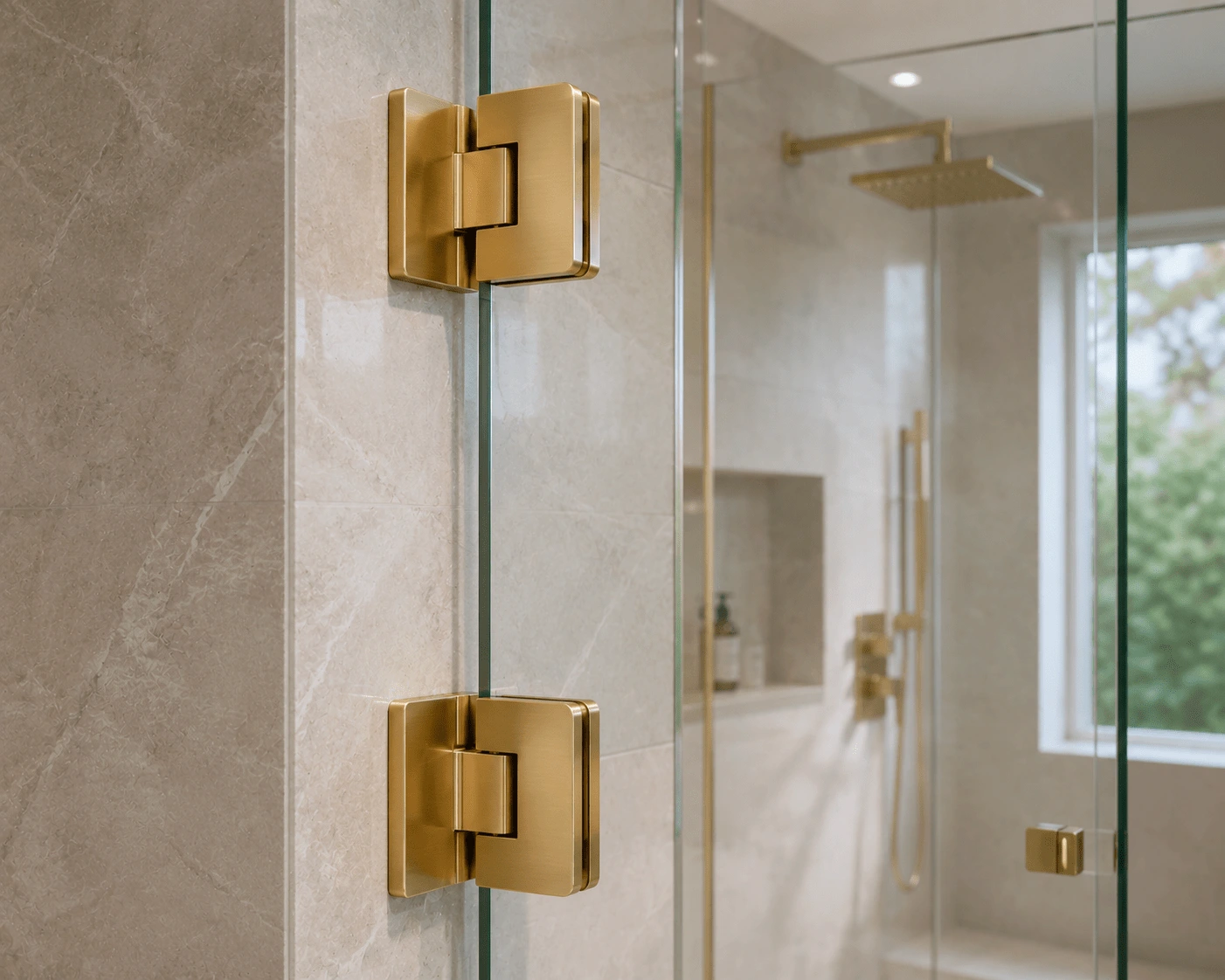
Compare PVD and electroplated hardware by evidence
PVD and electroplating refer to different coating process families, but neither label alone proves how a finished shower hinge or handle will perform in a specific bathroom. Performance depends on the complete substrate, preparation, coating, part geometry, production controls and exposure. Ask each supplier for the same documents and acceptance criteria before making a comparison.
For each item in the order, record the model number, base material, finish code, visible color, required surface condition, approved sample and any contractual test requirement. If a supplier proposes a process or substrate substitution, obtain a new sample and written approval before production.
How to review a salt-spray report
ASTM B117-26 describes the apparatus, procedure and conditions for creating and maintaining a salt-spray environment. It does not prescribe the specimen or exposure period for a particular product, or the interpretation to apply. ASTM also notes that stand-alone salt-spray results seldom predict performance in natural environments. A report therefore needs context before two finish claims can be compared.
Check the report for the exact finished component or representative specimen, substrate and coating system, surface preparation, masking and exposed edges, test method and revision, exposure duration, evaluation criteria, photographs, deviations and laboratory identification. Confirm whether the acceptance rule is specified by the buyer, product standard or supplier. Do not treat a larger number of hours as a direct warranty of longer field life.
Read the official ASTM B117-26 scope and significance notes and our salt-spray report review guide before comparing vendor documents.
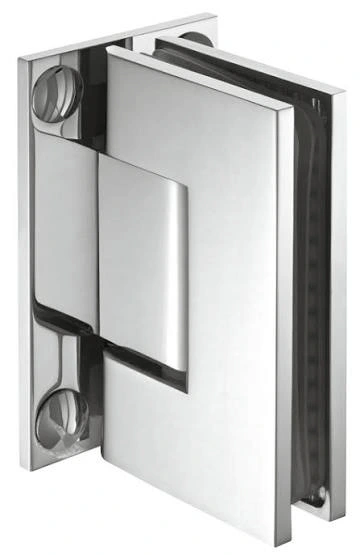
Choose for the actual installation environment
Describe the installation conditions rather than relying on a broad label such as coastal, marine grade, commercial or hotel. Tell the supplier whether the part is inside a shower enclosure, how it is cleaned, whether it is exposed to pool chemicals or salt, and which metals or finishes must match nearby fittings. Ask for the exact material and finish documents that support the proposed option.
Do not assume that a particular stainless-steel grade or coating combination is suitable for every project near the coast or a swimming pool. The responsible specifier should review the stated exposure, project requirements, product data and maintenance plan together.
Approve a representative sample and maintenance plan
Check a production-representative sample under the project lighting against the approved color and texture reference. Record the model, material, finish code, sample approval and drawing revision. Request care instructions that identify permitted cleaners and products or methods to avoid; do not substitute generic household cleaning advice for the supplier’s guidance.
For coordinated orders, confirm the finish code separately for hinges, handles, clamps, support bars and other visible components. Ask the supplier to state which parts are included in the finish match and how substitutions will be approved.
Questions to include in an RFQ
- What exact substrate and finish system apply to each model?
- Which current drawing, sample and finish code define the approved appearance?
- What test report covers this product configuration, and what criteria determine acceptance?
- Which installation conditions and maintenance instructions apply?
- How will a material, coating or color substitution be documented and approved?
See our shower-hardware materials guide for a separate checklist for comparing substrate information.
Frequently Asked Questions
Is PVD always more corrosion-resistant than electroplating?
Do not assume that from the process label alone. Compare the substrate, complete finish system, specimen, test method and acceptance criteria for the exact products.
How long does a PVD finish last in a bathroom?
A finish label or salt-spray duration does not establish a universal service life. Request product-specific evidence, warranty terms, installation limits and maintenance instructions.
Does ASTM B117 specify how many hours a shower hinge must pass?
No. ASTM B117 describes a salt-spray test practice; it does not specify a product-specific exposure time or acceptance interpretation. The project specification must identify those requirements.
What should I request before approving a PVD color?
Request the model-specific material and finish description, current drawing, production-representative sample, applicable test report, acceptance criteria and care instructions.