

Warranty terms for shower hardware vary by supplier, model, market and intended use. Do not assume a standard period or remedy from another product. Before placing an order, agree what is covered, how a claim is documented, how any defect rate is measured and which remedy applies.
For corrosion-test context, see our salt spray testing guide; a defined laboratory test and an in-service warranty claim answer different questions.
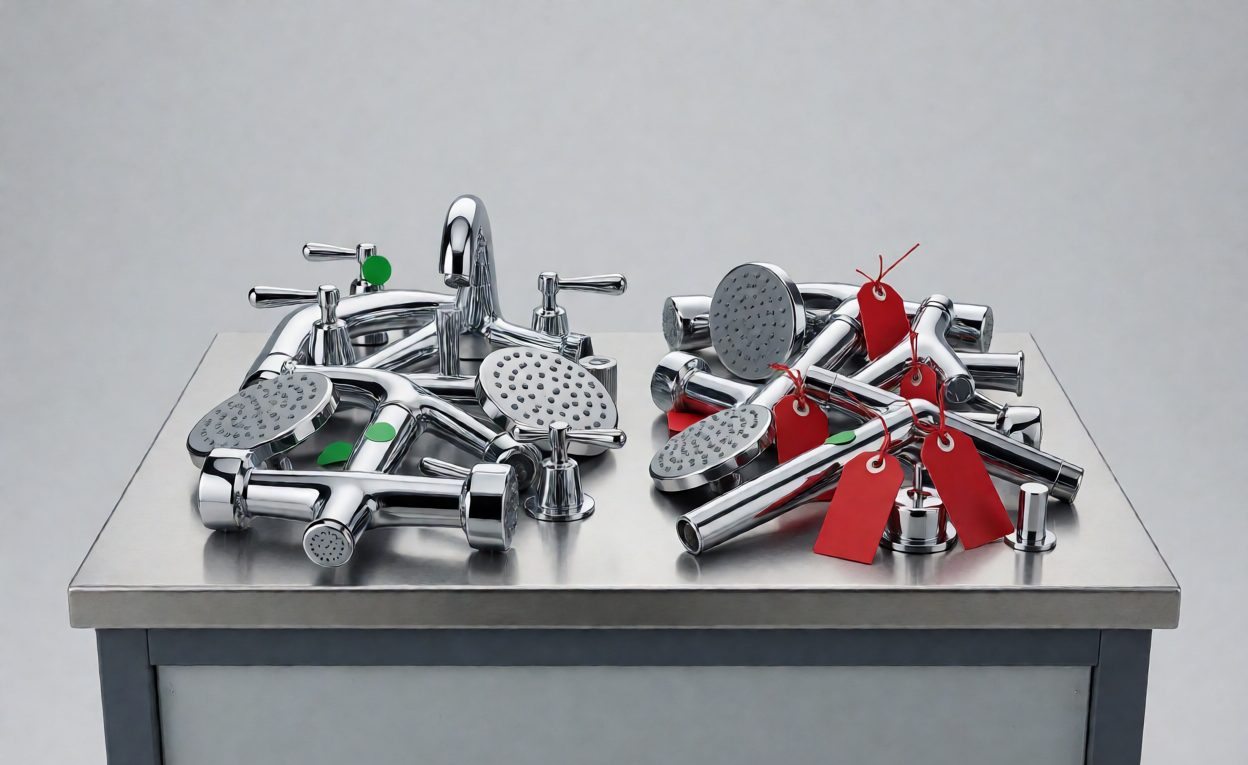
Key Takeaways
- Record the warranty term and the exact products, finishes and applications it covers.
- Define product defect, installation issue, wear and environmental exclusions in plain language.
- Specify claim evidence, notice timing and review steps.
- If using a defect rate, define its population, denominator, period, sampling method and exclusions.
- Agree remedies and responsibility for freight, labor, replacement parts or credits.
Define the Scope and Conditions
Identify the models, components, finishes, applications and installation conditions covered. State when the term starts and which documents establish the purchase or installation date. Describe the maintenance and cleaning conditions the buyer is expected to follow, and list exclusions narrowly enough that both parties can apply them.
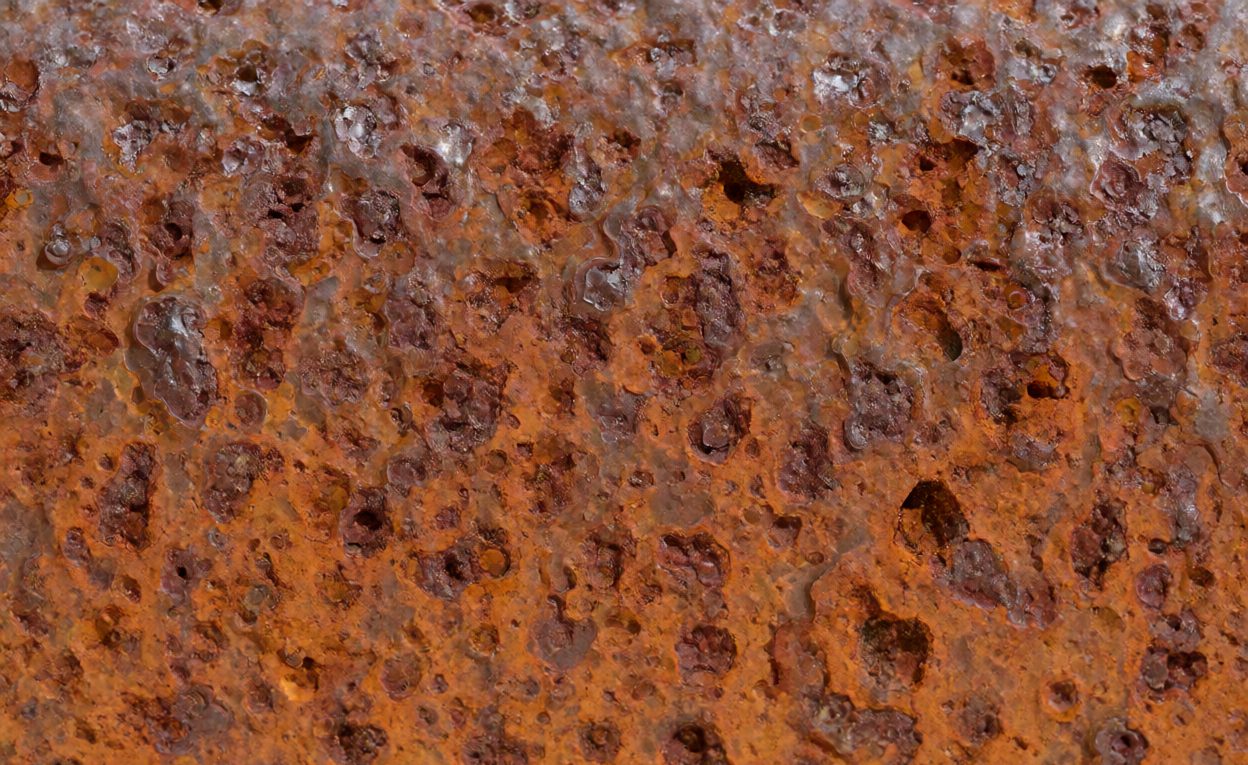
Separate a product defect from damage caused by handling, incorrect installation, unauthorized modification or exposure outside the stated conditions. Avoid assuming that a visible change is necessarily corrosion or that every field failure has one cause. A claim review should compare the product, installation, use conditions and evidence.
Agree How Claims Are Reviewed
- Record the product model, finish, lot or batch, purchase date and location.
- Describe the issue and provide photographs, affected quantities and installation details where available.
- Set a practical notice period and identify who receives the claim.
- Agree who examines the returned sample and how findings are shared.
- Define how disputed or inconclusive cases are escalated.

Evidence requirements should be feasible for the buyer and relevant to the alleged failure. The process should not require records that were never part of the supplier’s normal pack unless the parties agree to create them.
Define Defect Rates and Remedies
There is no universal acceptable defect rate for every product or program. If the agreement uses a rate, define the population counted, the denominator, the measurement period, the inspection method, sample plan, exclusions and what happens when the threshold is reached. Distinguish a sampled inspection result from a count of confirmed field claims.
List the available remedies and when each applies, such as replacement, repair, credit or reimbursement of agreed costs. State who pays for freight and any installation labor if the parties intend those costs to be covered. Commercial terms should be reviewed against applicable contract and statutory requirements in the relevant jurisdictions.
Frequently Asked Questions
How long is a shower hardware warranty?
There is no single period that applies to every product or market. Use the written warranty for the exact model and confirm its term, start date and exclusions before ordering.
What counts as a defect?
Define the product requirements and covered failures in the agreement. Separate confirmed manufacturing defects from installation, handling, maintenance and exposure issues using agreed evidence.
Should a warranty include labor?
That is a commercial term to negotiate. State whether replacement parts, freight, removal and reinstallation costs are covered and under which conditions.
How should a defect rate be measured?
Specify the population, denominator, period, inspection or claim method, sample plan and exclusions. Do not rely on an undefined percentage.