

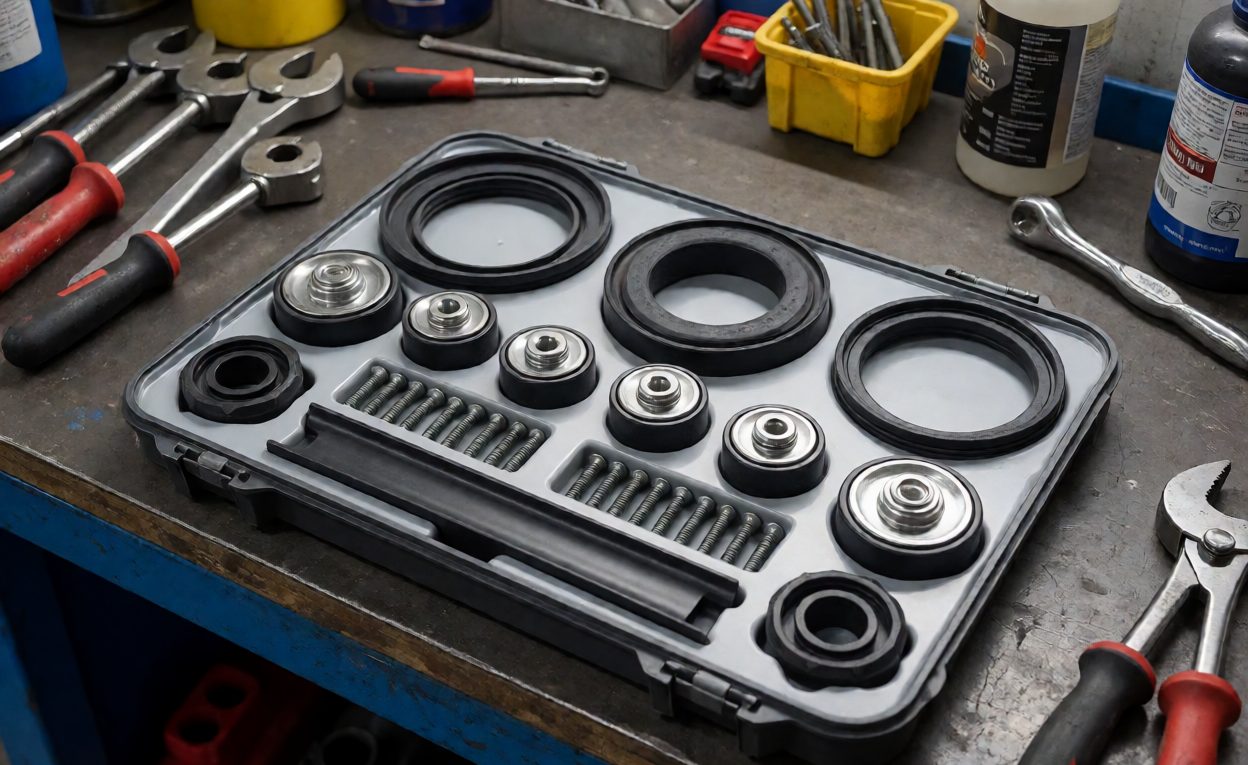
A replacement kit should group only parts confirmed to fit the named shower hardware model or documented product family. A package that looks complete may still fail if a roller profile, seal length, fastener, gasket or finish does not match the installed assembly. Build the kit from a verified bill of materials and compatibility record before assigning its SKU.
Key Takeaways
- Build each kit from a verified bill of materials for a named model or documented product family.
- Record fit details such as roller profile, track interface, seal length, glass thickness, fastener and finish where they apply.
- Map replacement part numbers to superseded parts and state any compatibility limits.
- Protect finished surfaces and identify the kit contents clearly on the package and in the product record.
- Use distributor sales and service data to set replenishment quantities; do not treat a forecast as a guarantee.
Define the Kit by Application
Start with the product problem the kit solves. A roller replacement set, seal set and hinge service pack contain different parts and require different fit checks. Name the compatible shower door or hardware model, identify the included components and state any parts that must be ordered separately.
Confirm dimensions and interfaces from the current drawing, sample or manufacturer record. For sliding doors, record the wheel profile and track interface. For seals, record the intended location and compatible panel or enclosure. For fasteners and gaskets, identify the matching assembly rather than relying on a similar appearance.
Create a Compatibility and Part-Number Table
| Record | What to identify | Why it matters |
|---|---|---|
| Kit SKU and revision | Current identifier and revision date | Separates changed contents from an earlier pack |
| Compatible product | Model, series or approved family | Limits fit claims to documented products |
| Included parts | Part number, quantity, finish and supplied fasteners | Lets purchasing and service teams confirm completeness |
| Fit notes | Relevant wheel, track, seal, glass or mounting details | Helps avoid ordering by photo or name alone |
| Supersession | Old part, replacement part and any restrictions | Preserves traceability when a component changes |
Protect Parts and Identify the Pack
Separate metal parts and finished surfaces so components do not rub together in transit. Keep small fasteners in identified inner bags and include a contents list that matches the bill of materials. State the kit SKU and revision on both the outside label and the digital product record. Barcode format, language and retail artwork should follow the distributor or destination requirements agreed for the order.
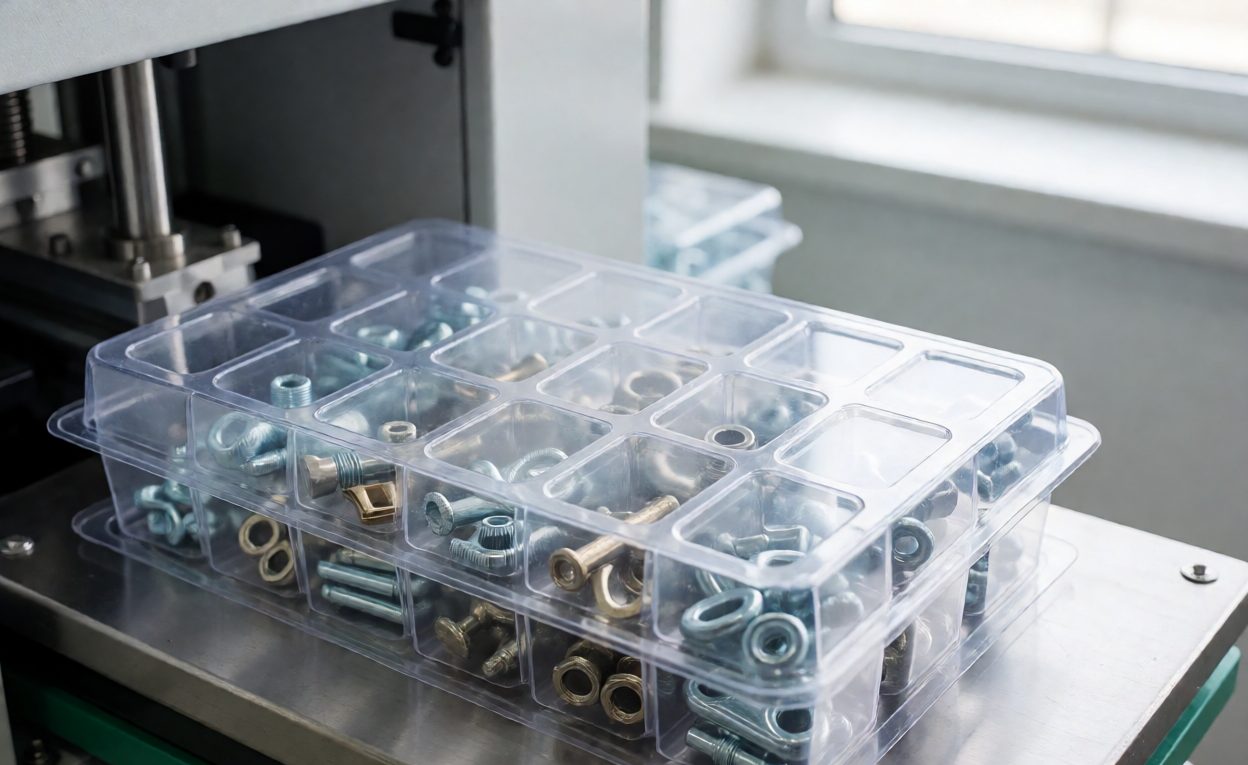
Check the pack against an approved sample before using it across the range. If artwork, contents or a supplier part changes, update the revision and confirm that the replacement pack still matches the compatibility table. For retail and private-label packaging details, see our shower hardware packaging and barcode guide.
Set Replenishment Rules from Actual Data
Use sales, service requests, returns and open project commitments to decide which kits to stock. Separate observed demand from a forecast, and review slow-moving items before expanding a kit range. If a component is discontinued, record whether the replacement is interchangeable, requires a different installation step or is not approved for the earlier model.
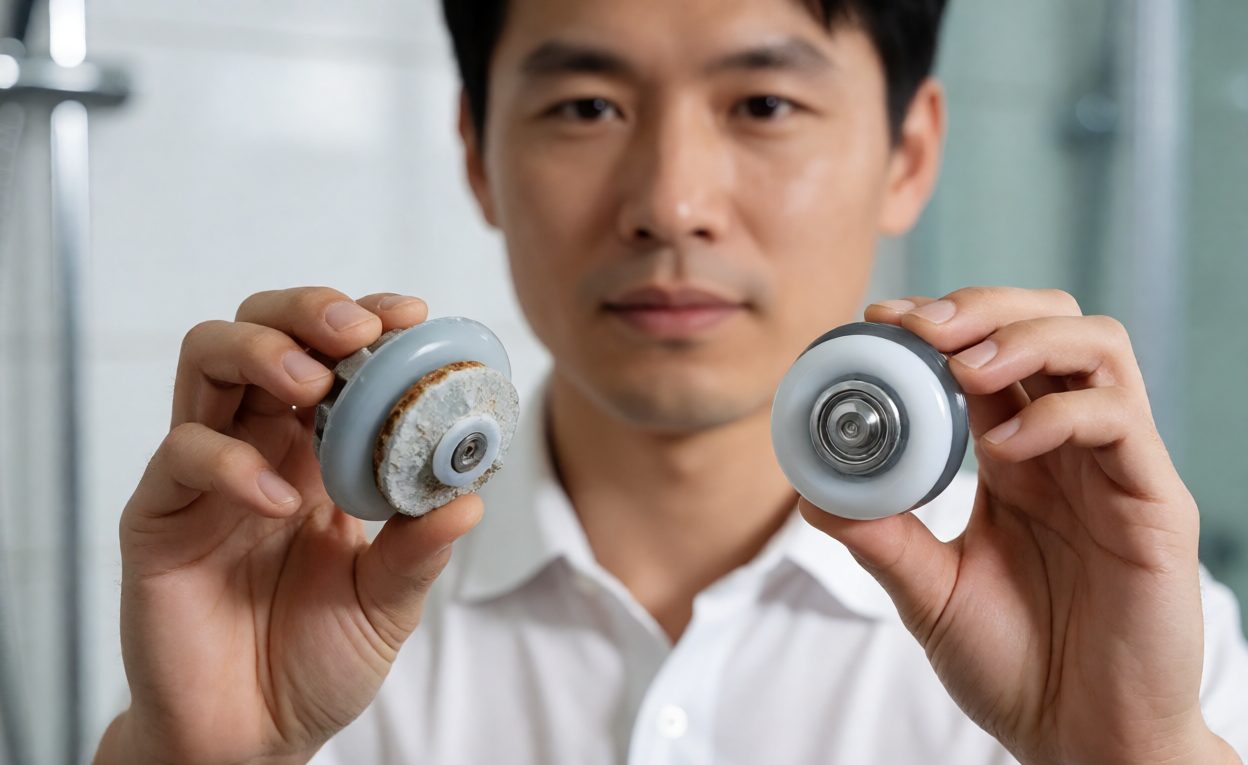
Provide service teams with a way to identify the installed hardware, such as a model label, order record or fit checklist. That information can reduce guesswork when a customer orders a replacement later, but it cannot establish compatibility without matching the product details.
Frequently Asked Questions
What should a shower hardware replacement kit include?
Include only the components listed in a verified bill of materials for the named model or product family, with fit limits, quantities and any required instructions clearly identified.
Can one replacement kit fit several shower door models?
Only when the supplier documents compatibility for those models. Compare the relevant dimensions and interfaces before grouping them under one kit SKU.
How should discontinued parts be cross-referenced?
Record the former and replacement part numbers, the affected models and any restrictions or installation changes. Do not label a substitute as interchangeable without supporting fit information.
Should a kit include installation instructions?
Include current instructions when the replacement part requires a specific fit, adjustment or service procedure. Match the instructions to the kit revision.