

Frameless shower doors rely on the glass itself for strength, because there is almost no metal frame to hide behind. The thickness you specify decides how big a door can be, how heavy the hinges must be, and how safe the panel is. This guide covers the real numbers for 8 mm, 10 mm and 12 mm tempered glass.
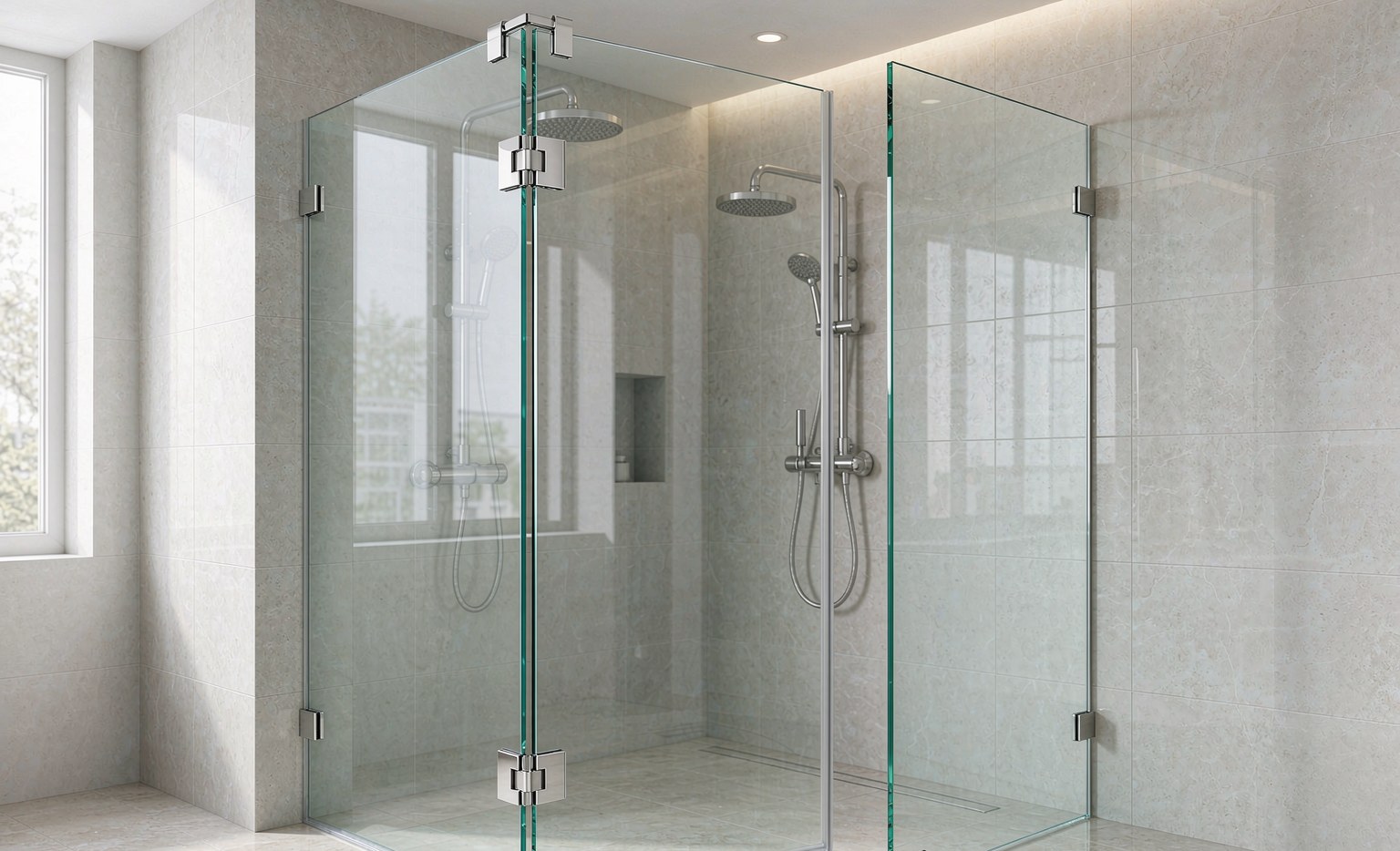
| Thickness | Typical use | Max door height | Hinge rating |
|---|---|---|---|
| 8 mm | Small residential panels | ~2000 mm | Standard pair |
| 10 mm | Standard frameless doors | ~2200 mm | Heavy-glass pair |
| 12 mm (1/2″) | Large / heavy doors | ~2400 mm+ | Heavy-glass, reinforced |
Glass must be tempered safety glass (e.g. EN 12150 in the EU, ANSI Z97.1 in the US) and edge-polished. Figures are typical guidance; confirm with the glass supplier and local code.
Why tempered, not annealed
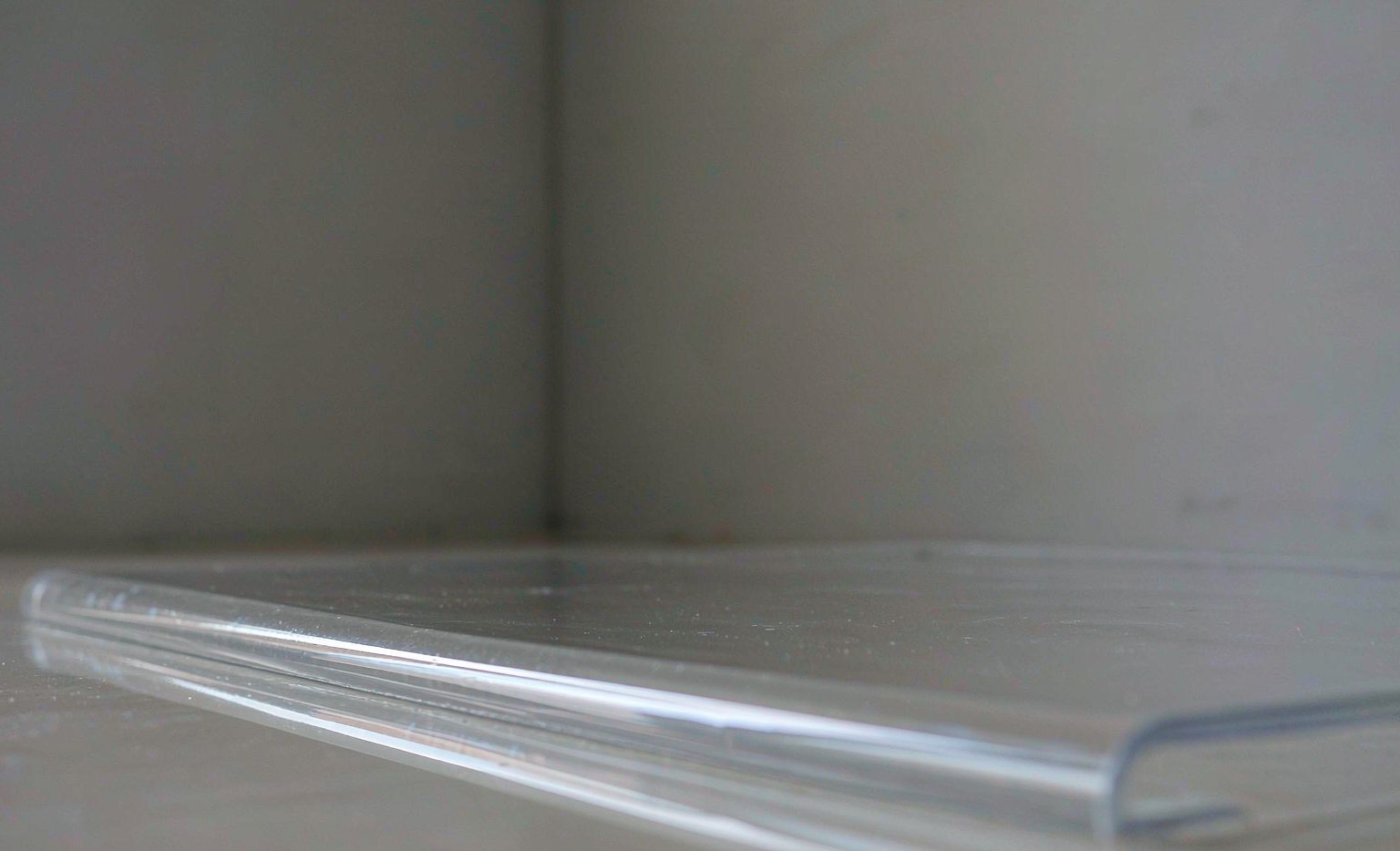
Tempering heats the glass then quenches it, creating a compressive surface layer that makes it several times stronger than annealed glass and, critically, shatters into small dull cubes instead of shards if it ever fails. A shower door is a safety-critical surface next to a person; tempered is not optional. Spec “fully tempered” and verify the etch mark.
Thickness and door size

Thicker glass resists deflection on taller doors, so a 2200 mm door wants 10 mm or more, and a very large panel pushes to 12 mm. Too thin for the height and the door visibly bows and the hinges work harder; too thick and you pay for weight and hardware you do not need. Match thickness to the door’s height and width, not to habit.
Hinges must match the glass
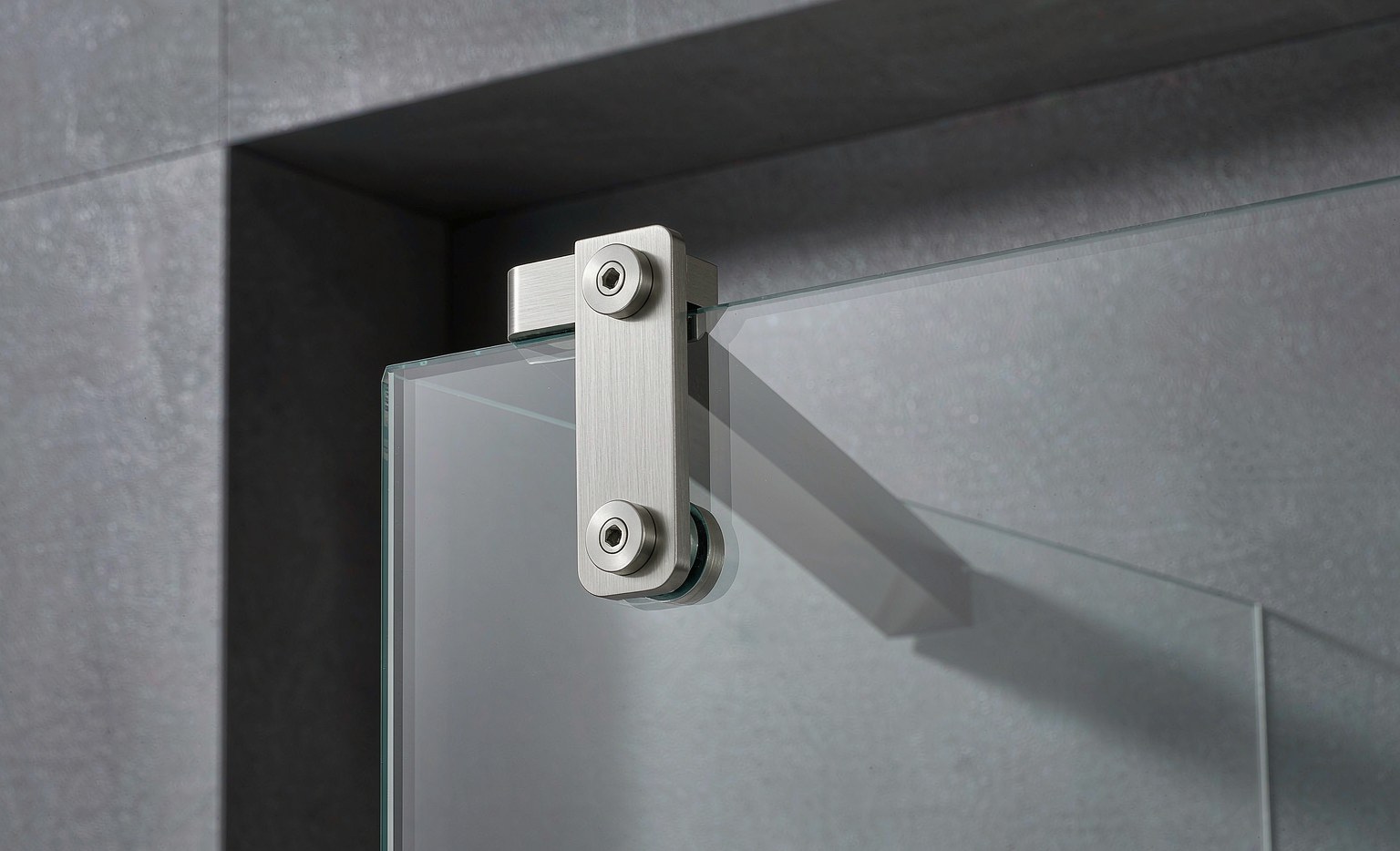
A hinge rated for 8 mm cannot safely hold 12 mm, and the weight a pair must carry scales with glass thickness and door area. Heavy-glass hinges (for 1/2″ / 12 mm) use a different clamp and often a reinforced pivot. Specifying the hinge to the exact glass thickness is what keeps the door from drifting or sagging — the most common frameless-door complaint traces to a mismatch here.
Hardware and finish
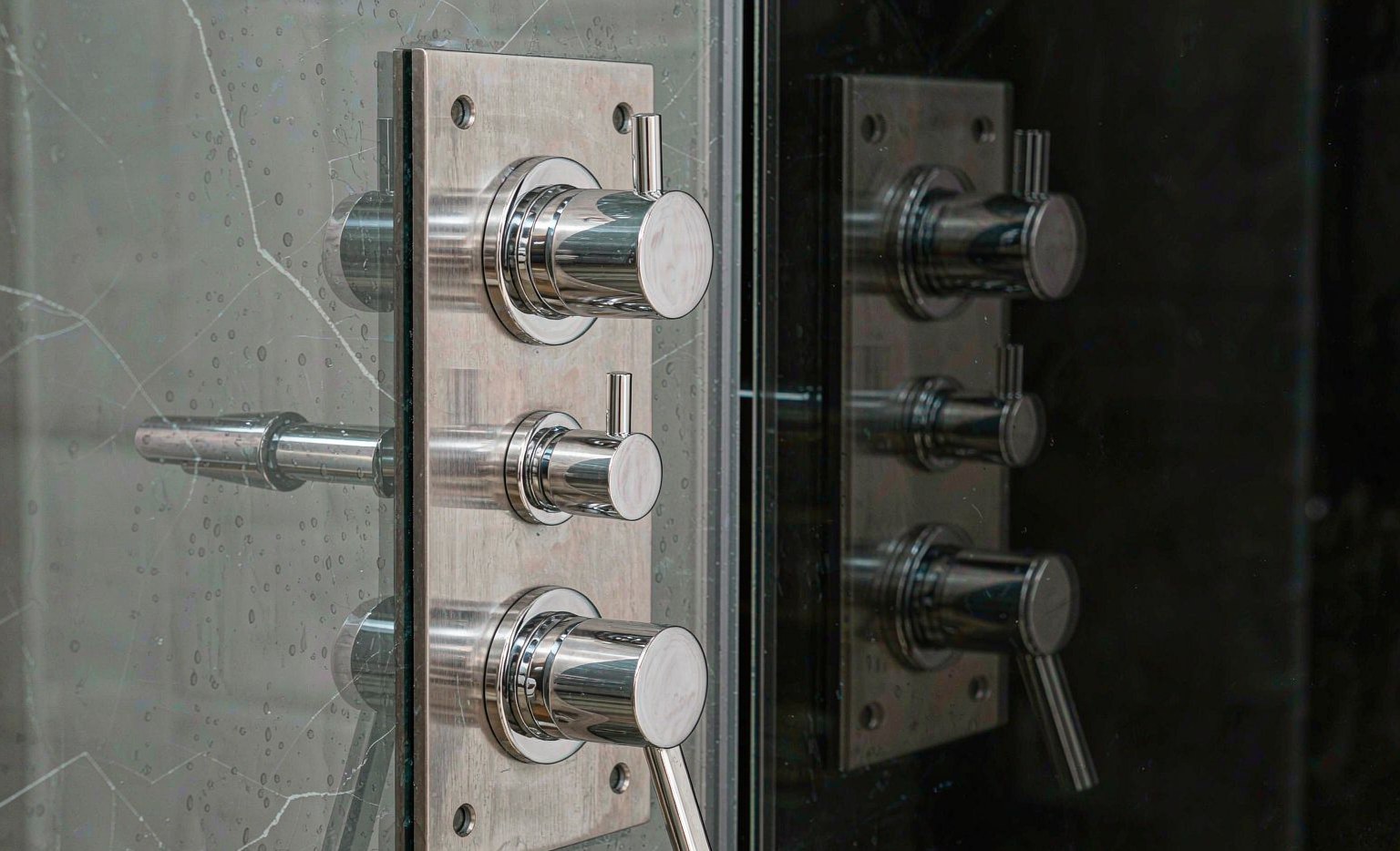
Clamps, brackets and handles are usually brass or stainless with a PVD or electroplated finish. The glass thickness sets the clamp gap, so hardware is bought to match the glass, not the other way around. Getting glass and hardware from one specification avoids the on-site discovery that the clamps will not close.
Safety film and lamination
Tempered glass shatters into small cubes when it fails, which is why it is the default for shower doors. Where a panel must stay together after breakage — for example a tall fixed side panel — laminated glass with a plastic interlayer holds the fragments in place. Some installations add a safety film to a tempered panel to keep pieces contained, though the panel must still be tempered.
Installation tolerances
Frameless glass is unforgiving of out-of-square walls and unlevel floors, because there is no frame to hide the gap. Installers check plumb, level and square first, then plan the hinge and clamp positions around the real opening. Silicone and gaskets take up small variations, but a wall that is badly out of true may force a custom-cut panel or a return panel to bring the opening back to square.
Edge work and cutouts
Tempered glass cannot be cut or drilled after tempering, so every edge, hinge cutout and handle hole must be specified before the heat treatment. Edges are polished for safety and appearance, and cutouts need enough material around them to avoid creating a stress riser that can shatter the panel. Changes after tempering mean a new piece, so the drawing must be final before the order.
Ordering and lead time
Thicker glass is heavier and may need reinforced hardware, longer lead time and careful handling on site. Order from a supplier that tempers and certifies the panel and can match the hardware, so the clamp gaps and cutouts align. Measuring the finished opening — not the rough frame — is the step that prevents a costly re-order.
Glass by application
Choose thickness from the door’s role and size, not from a single default:
| Application | Typical thickness |
|---|---|
| Small fixed side panel | 8 mm |
| Standard swing door | 10 mm |
| Large / heavy door | 12 mm |
| Steam-room enclosure | 10 – 12 mm |
| Laminated safety panel | 10 mm + interlayer |
Sourcing the glass and hardware? Our precision CNC machining service holds the tolerances glass thickness and clamp fit depend on, and the quality inspection process keeps export batches consistent.