Product Guides
Shower Hardware Certificates and Test Reports: Buyer Guide
Compare shower hardware certificates, laboratory reports and inspection records by issuer, model scope, method and validity before acceptance.
Read Full ArticleFind project-level shower and glass hardware checks for load evidence, glass fit, clearances, interfaces and fabrication inputs.
Compare shower hardware certificates, laboratory reports and inspection records by issuer, model scope, method and validity before acceptance.
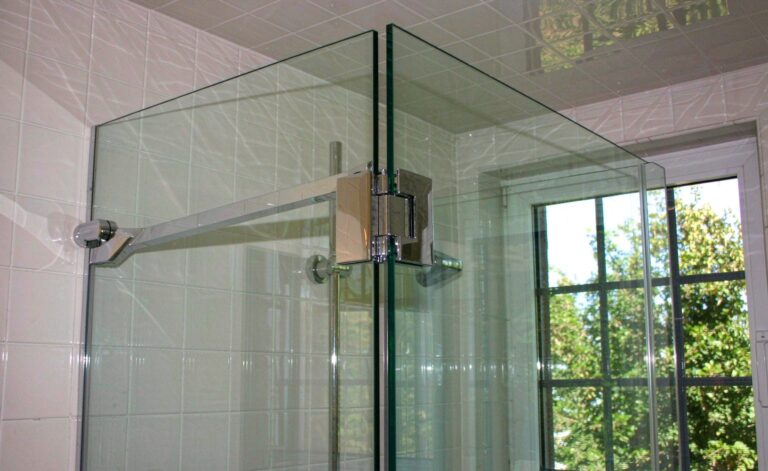
Read Full ArticleChoose a shower door stabilizer bar by panel layout, support points, adjustment range, installation details and documented model ratings.
Read Full ArticleRequest model-specific shower hardware data sheets and CAD files with dimensions, materials, finishes, fit limits, revisions and file formats.
Read Full ArticleDefine a shower hardware shipping carton drop test by package, route, conditioning, sample, acceptance criteria and report details before testing.
Read Full ArticleHow many shower door hinges a panel needs depends on the exact system. Estimate panel mass and moment, then verify the manufacturer's ratings.
Read Full ArticleStructure shower hardware part numbers around model, component, revision and finish, then maintain cross-references for superseded parts.
Read Full ArticleLearn when EU law requires CE marking for shower hardware, which model-specific records to verify, and how risk-based import checks work.
Read Full ArticleEvaluate soft-close shower hardware tests by exact model, door setup, method, operating conditions and acceptance criteria. Do not convert cycles to service life.
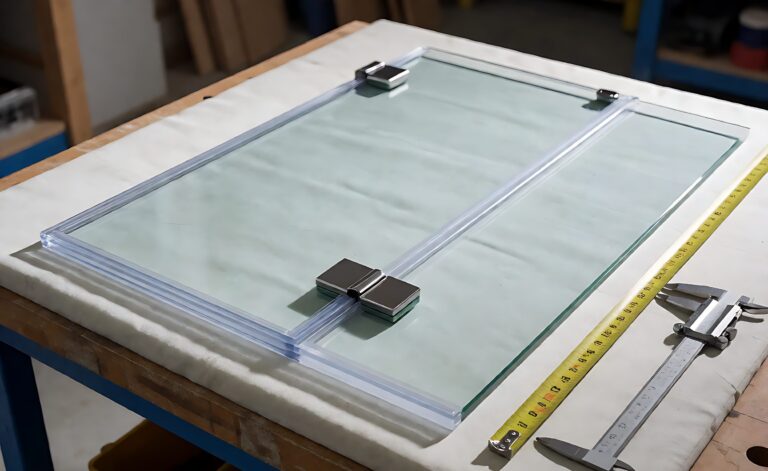
Read Full ArticleSpecify shower-hinge glass cutouts from the exact product drawing and glass processor. Confirm hole geometry and tolerances before fabrication; never drill tempered glass.
Read Full ArticleEngineering and specification guidance for shower and glass hardware starts before fabrication. The articles address interfaces, clearances, shelf support, header kits, clamps and the evidence needed to assess a design.
When an input is not settled, mark it as open rather than allowing the fabricator or supplier to guess. Confirm all interfaces before glass is cut.
The shower-shelf engineering guide points buyers to the support path and installation surface, not just the shelf material. A technical submittal should show how the glass or wall support carries the intended use, how the panel is retained, and whether the fitting remains accessible for cleaning in a wet area.
Where a design depends on load or compliance evidence, identify the exact product, test method, conditions and acceptance criteria. A generic rating or a dimension from a similar-looking fitting is not a substitute for evidence tied to the selected model.