

A soft-close shower hinge hides a small damper — usually a hydraulic or spring-plus-rheostat cartridge — that resists the last few degrees of swing so the door eases shut instead of slamming the glass against the jamb. It protects the glass, quiets the bathroom and, in hotels and care homes, removes a recurring warranty and liability item. This guide explains the damping mechanism, the adjustment, the glass-weight limits that decide whether a soft-close hinge is even appropriate, and where the feature earns its cost.
Key Takeaways
- Soft-close hinges use a damper cartridge to ease the final swing and protect glass.
- Closing speed is adjustable via a set screw; too slow feels broken, too fast defeats the purpose.
- Every hinge has a glass-weight and door-size limit — exceeding it kills the damper.
- Best ROI in hotels, care homes and rental stock where slam-related breakage is recurring.
- Material (stainless vs brass) decides corrosion resistance in wet environments.
How the Damper Works
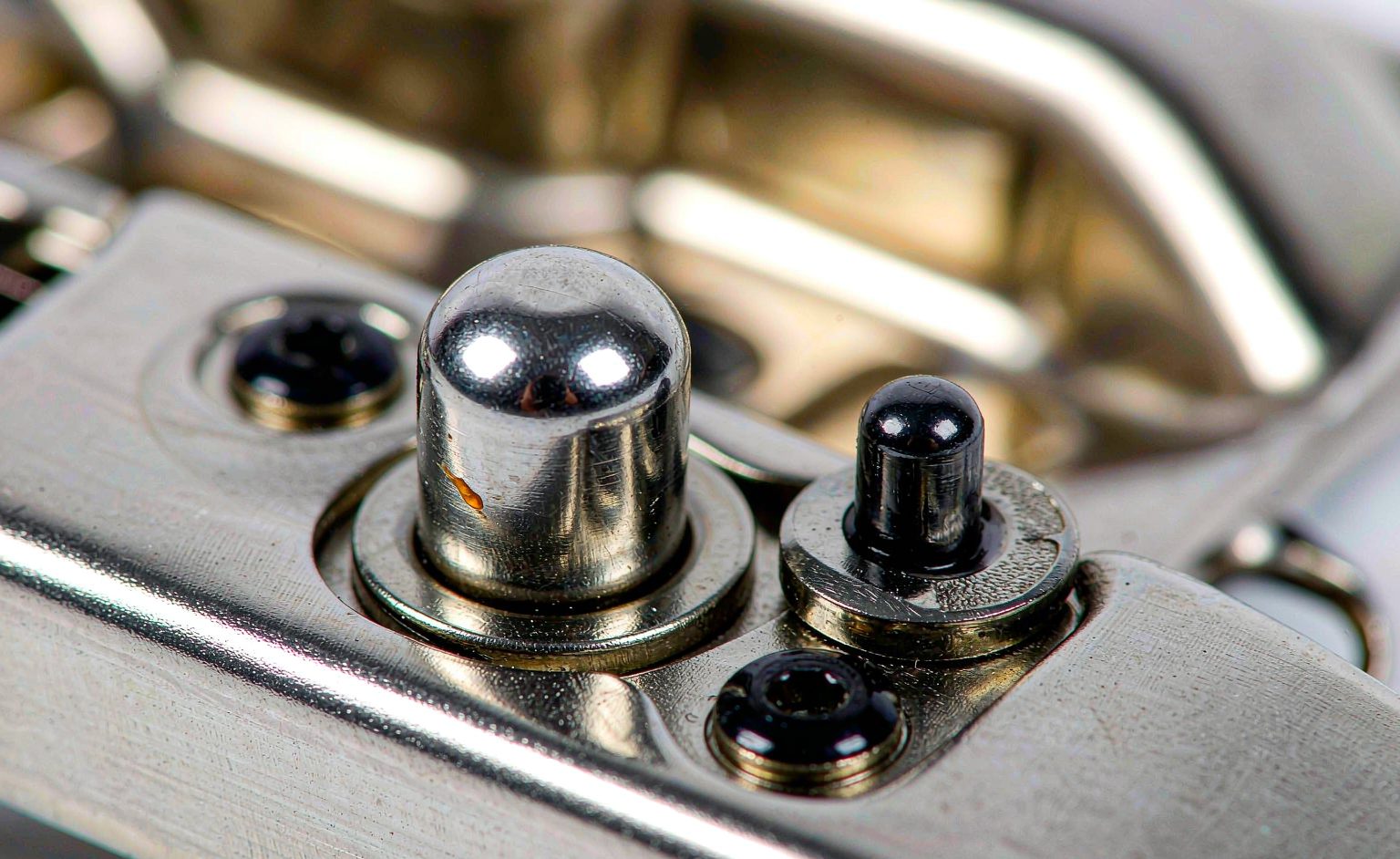
Inside a soft-close hinge is a cartridge that builds resistance through the last ~15–25° of closing. Some are hydraulic (fluid-viscosity controlled), others spring-plus-adjustable-rheostat. The effect is the same: the door cannot accelerate into the jamb. That single function prevents the micro-fractures that accumulate at glass edges from repeated slamming — the leading cause of “spontaneous” frameless glass failure. The hinge family is catalogued in our shower hinge overview, and selection criteria are in our hinge selection guide.
| Factor | Why it matters | Spec to confirm |
|---|---|---|
| Glass weight limit | Damper sized to mass | Max kg per hinge |
| Door height/width | Leverage on hinge | Max door dimensions |
| Closing-speed screw | Tunes feel | Adjustable range |
| Material | Corrosion resistance | Stainless vs brass |
Adjusting Closing Speed
Most soft-close hinges expose a set screw that changes the damping rate. Too slow and the door hangs open, feeling broken; too fast and it slams, defeating the feature. The correct setting is a door that eases shut from ~20° without needing a push. The material decision — stainless vs brass — matters here because a corroding adjuster seizes and the soft-close dies within a season.
Weight Limits and Where It Pays
Every soft-close hinge is rated for a glass weight and door size; exceed it and the damper cannot control the mass, or wears out fast. This is why frameless hardware must be specified as a system, not a hinge alone. The payback is clearest in hotels, care homes and rental stock, where slam-related breakage and noise complaints are recurring line items — a one-time hinge upgrade removes both.
Frequently Asked Questions
Do soft-close hinges protect the glass?
Yes — they prevent the repeated impact at the jamb that causes edge micro-fractures and eventual spontaneous failure.
Can I adjust how fast the door closes?
Most have a set screw for damping rate; tune it so the door eases shut from ~20° without a push.
Is there a weight limit?
Yes — every hinge is rated for glass mass and door size. Exceeding it ruins the damper; always confirm the rating.
Where does soft-close earn its cost?
Hotels, care homes and rentals where slam-related breakage and noise are recurring costs.
Stainless or brass for wet rooms?
Stainless resists corrosion better in continuous moisture; brass tarnishes but is easier to finish decoratively.
Will a soft-close hinge fit any frameless door?
Only if the door’s weight and dimensions are within the hinge’s rating; otherwise it will not damp properly.
Technical background: glass properties and damping mechanisms cover the relevant concepts.